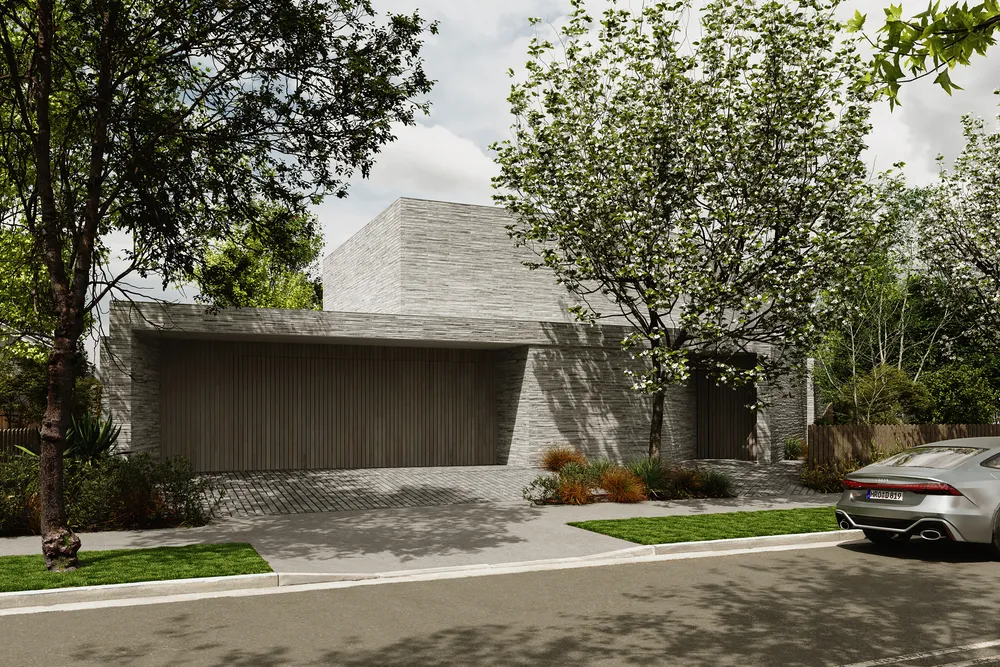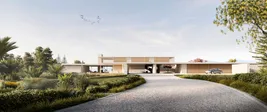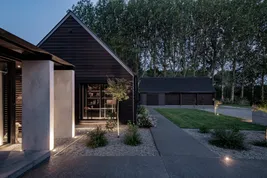


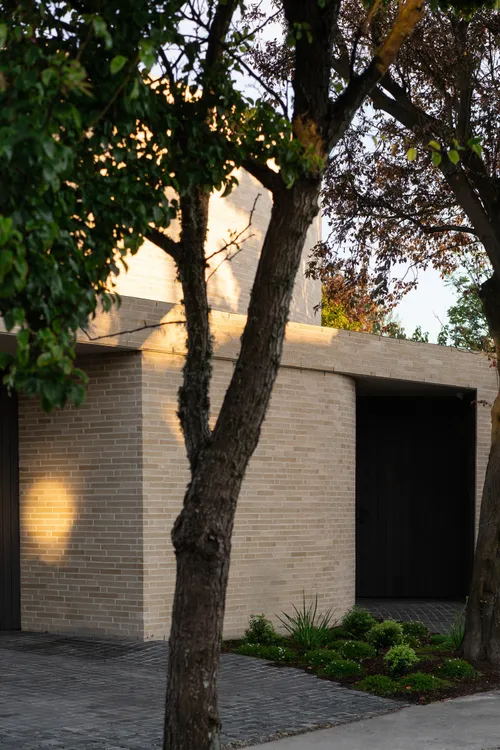
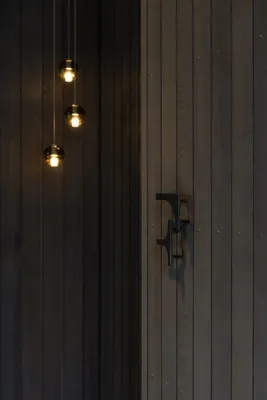
The arrival experience is carefully choreographed, defined by basalt stone cobbles that extend seamlessly into the adjacent landscape. The monolithic all-brick façade presents a robust and restrained public face, punctured only by a dark-stained cedar entry door and blind-cut garage door, subtly expressing points of public movement while maintaining privacy and solidity to the street.
Internally, the threshold between outside and in is deliberately blurred. A dark-toned entry foyer inherits the external material palette, creating a sense of compression and enclosure upon arrival.
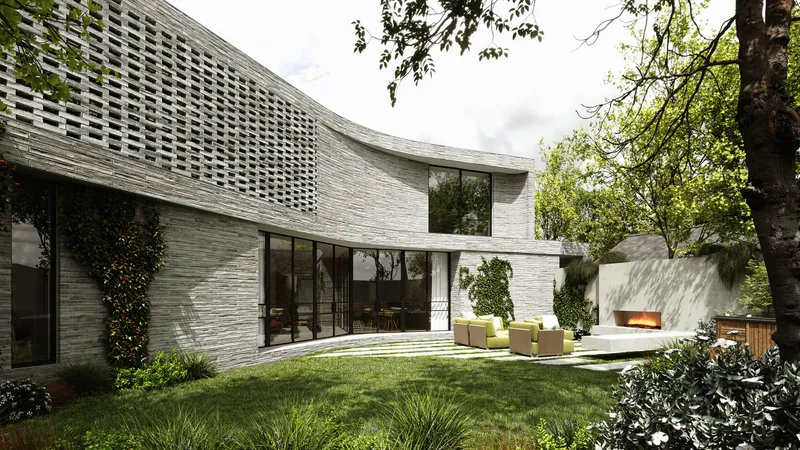
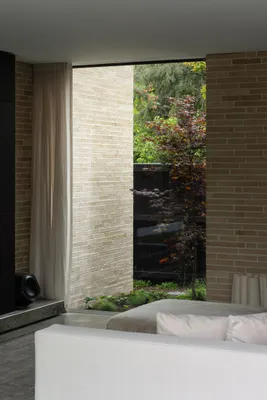
Giving way to a light-filled living environment beyond, an open, flexible space forms the social heart of the home and connects to the north-west oriented outdoor living areas. The contrast between the introverted entry sequence and the expansive living spaces heightens the experiential quality of the home.
Frankie’s House turns an awkward trapezoidal site in Christchurch into a strong architectural opportunity. Carefully crafted inside and out, the result is a confident and cohesive family home.
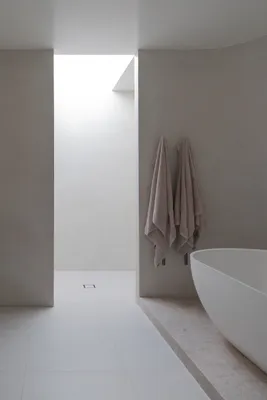
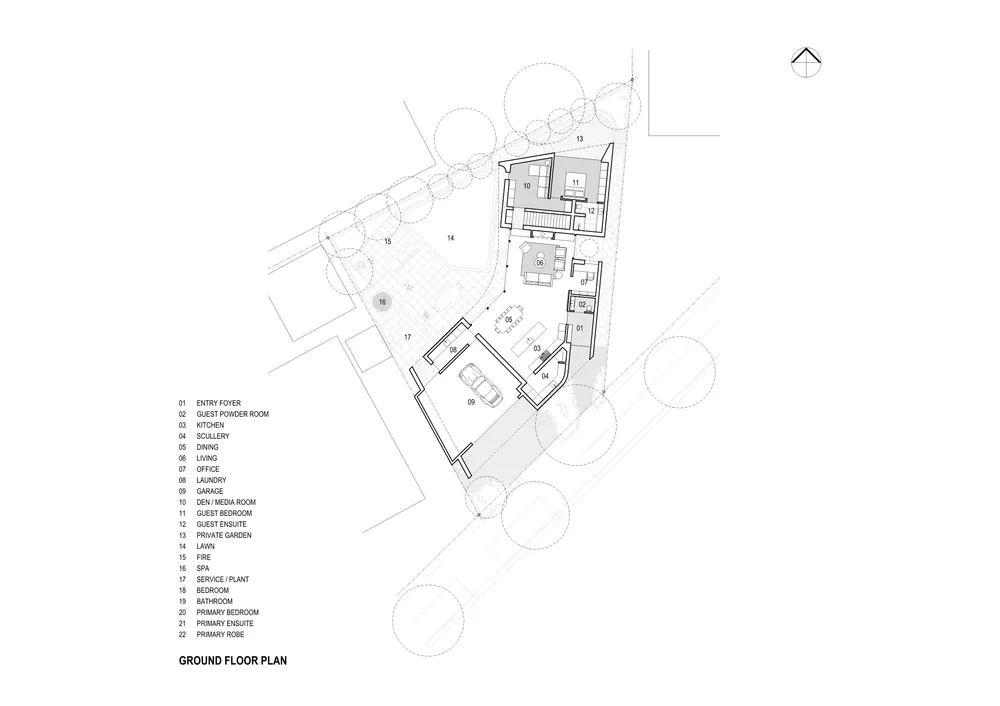
A perpendicular stair, illuminated from above by a generous skylight, forms the organisational spine of the plan. This element dissects the house, clearly separating public living areas from the more private bedroom wings. On the ground floor, a television room, bedroom, and ensuite provide adaptable accommodation, capable of functioning as a guest suite or an independent wing for a future au pair. This flexibility supports the evolving needs of a growing family.
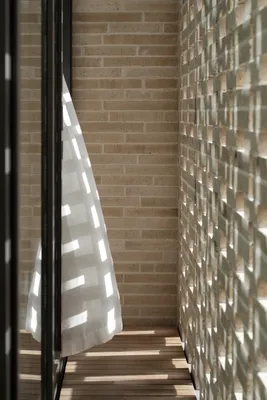
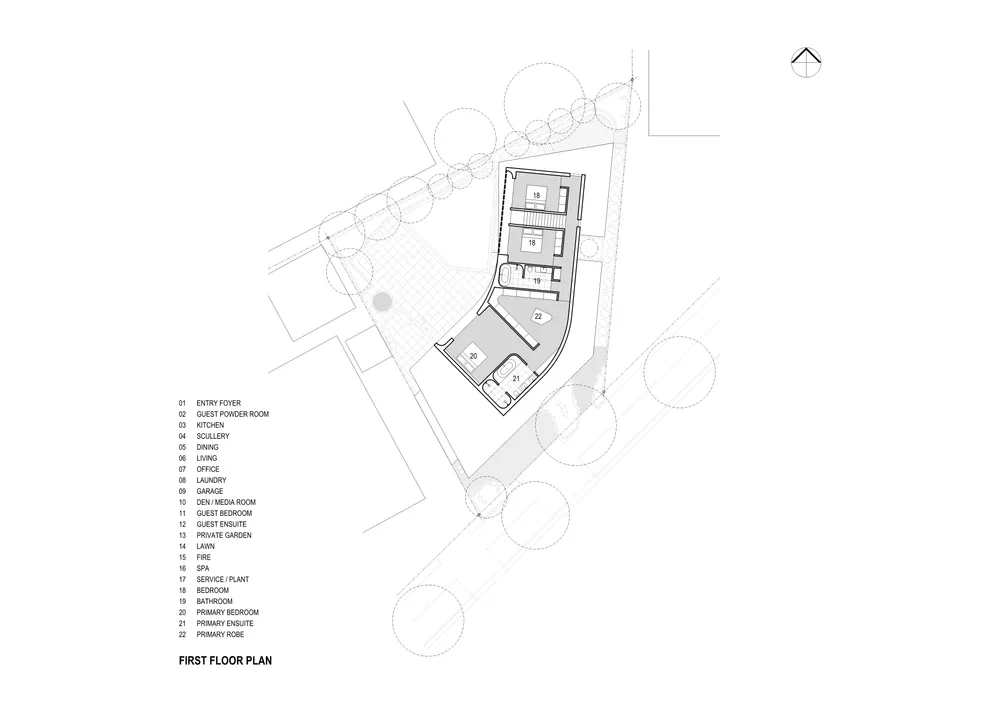
The upper level is dedicated to retreat. Two children’s bedrooms are positioned either side of the stair, screened behind a latticework of brick. The rooms are deliberately identical, avoiding any sense of hierarchy between siblings. A family bathroom separates these spaces from the primary suite, which includes a well-appointed robe and ensuite, offering privacy and separation while maintaining proximity.
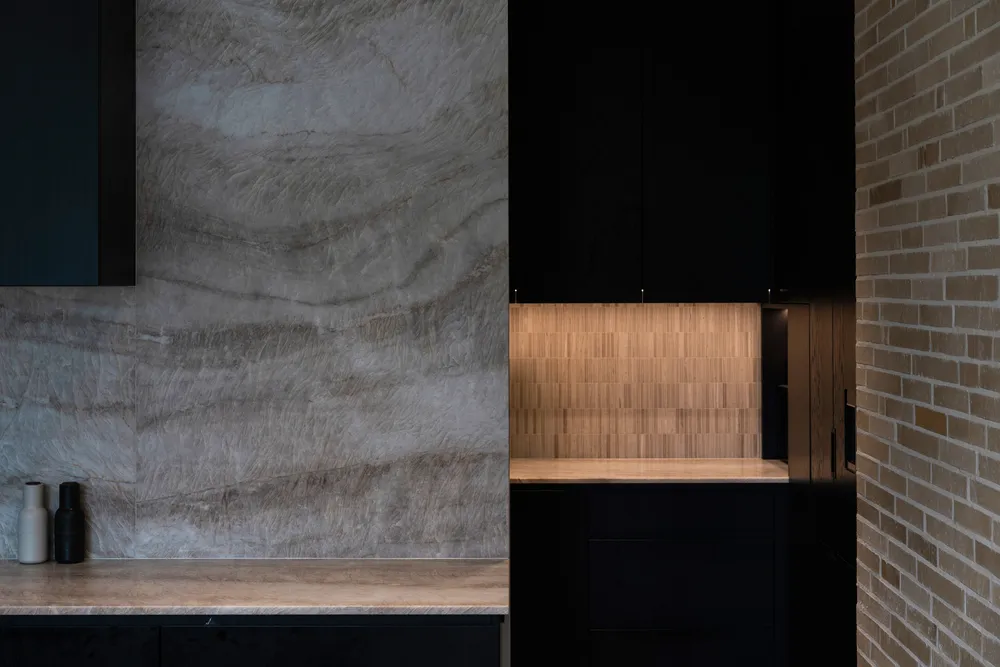
Natural light is drawn deep into the plan through large, operable skylights, eliminating the need for openings on the south-facing elevation. This strategy improves thermal performance while reinforcing a strong, uncompromising architectural language to the public frontage. The project employs a custom, project-specific brick, locally manufactured using South Island clays, grounding the building materially and culturally in its context.
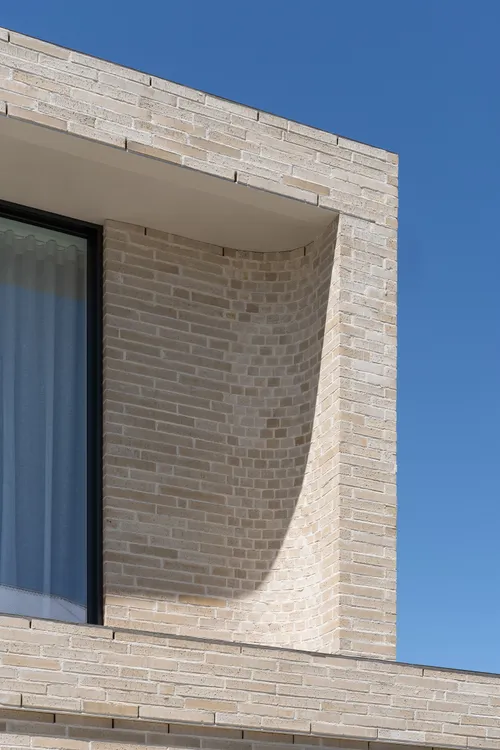
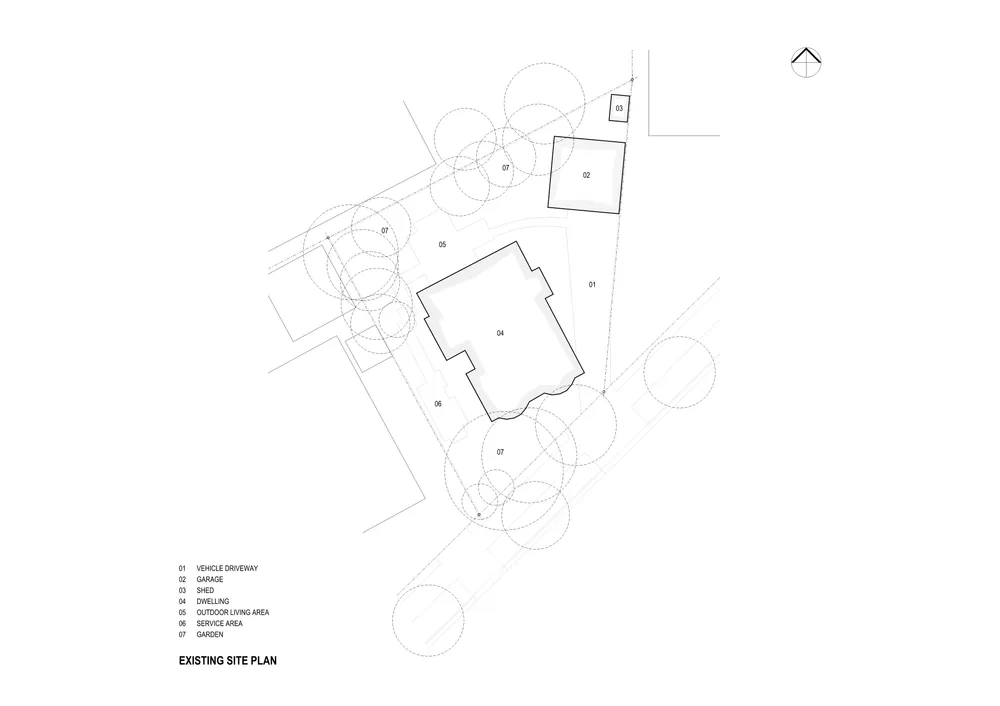
Formally, the two-storey brick volume is subtly curved to soften hard edges, while intentional offsets between upper and lower forms break down the overall mass and introduce a horizontal rhythm that resonates with neighbouring dwellings. By pulling the building toward the south and east boundaries, the design departs from suburban convention, freeing up a generous north-west facing outdoor space. A 40-degree crank in the floor plan responds directly to the site geometry, orientating the house toward sun and reinforcing the project’s dialogue between form, context, and family life.