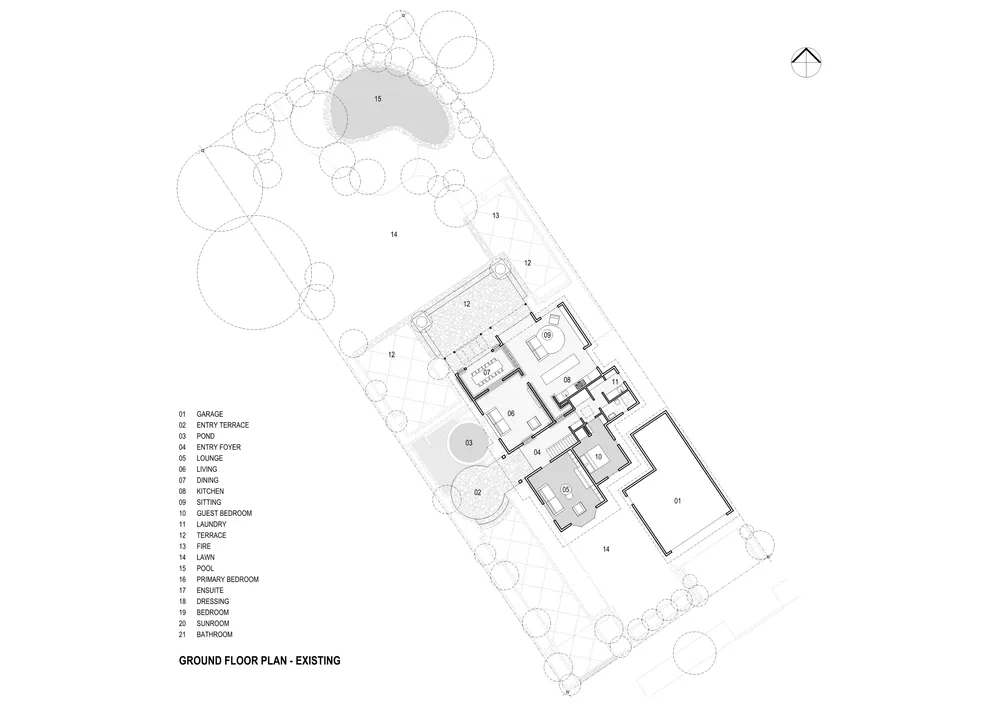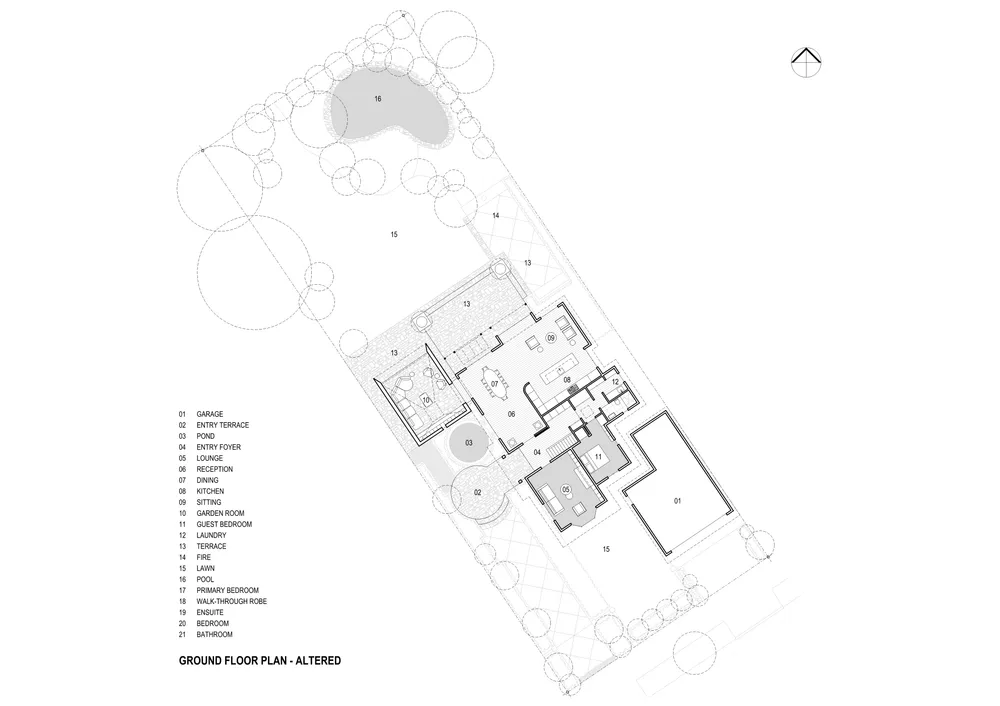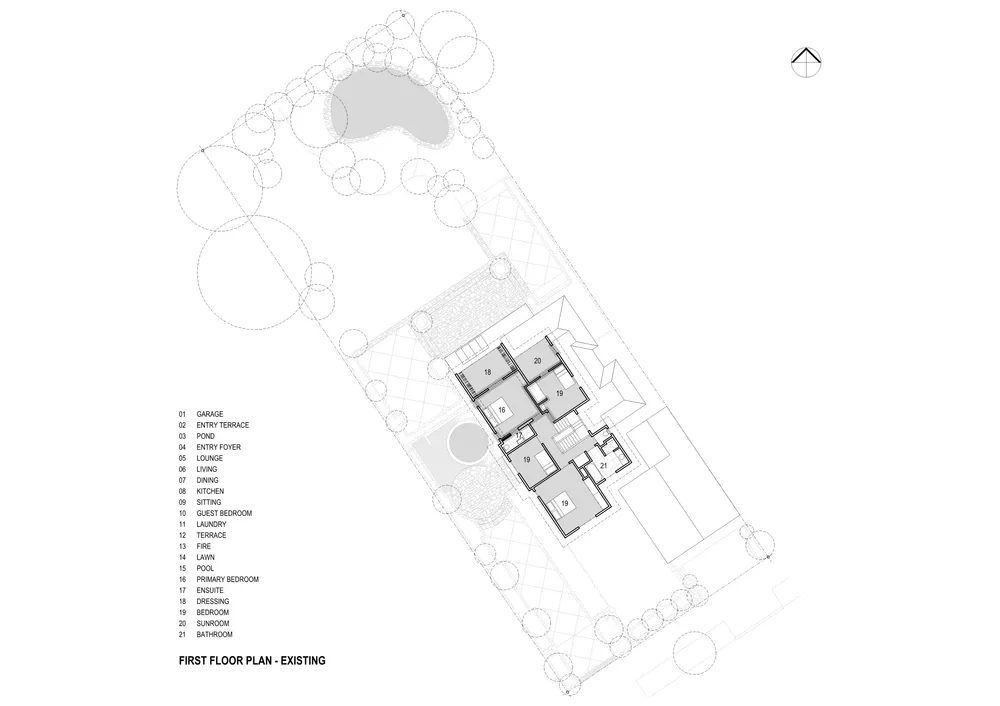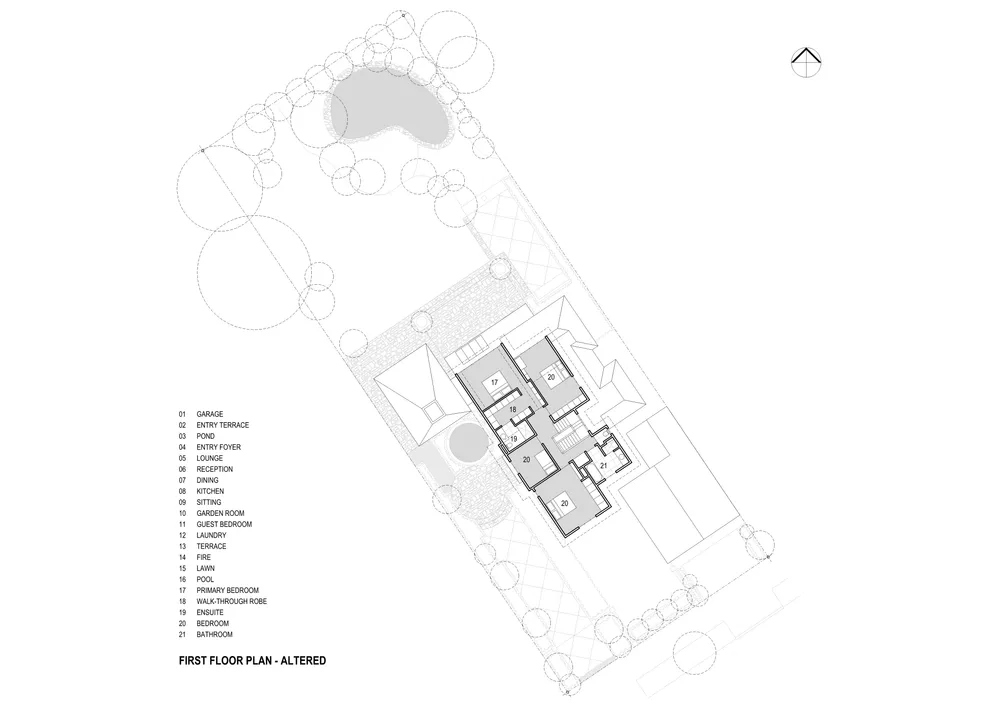


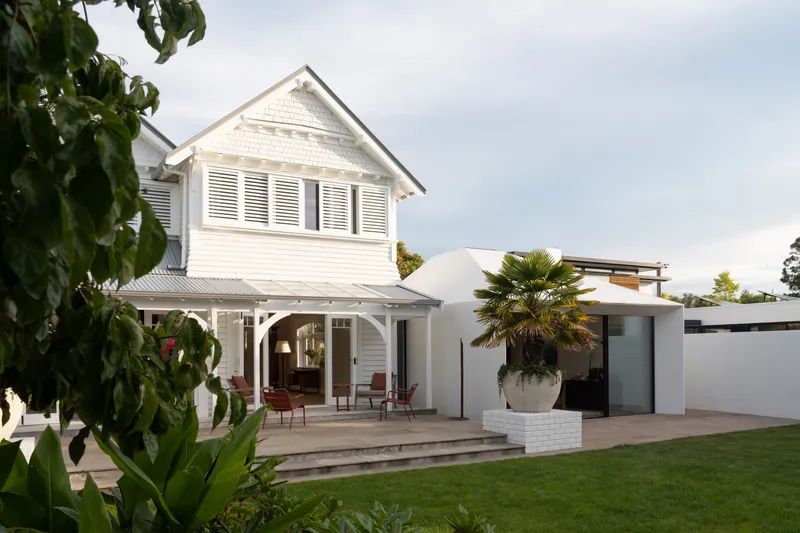
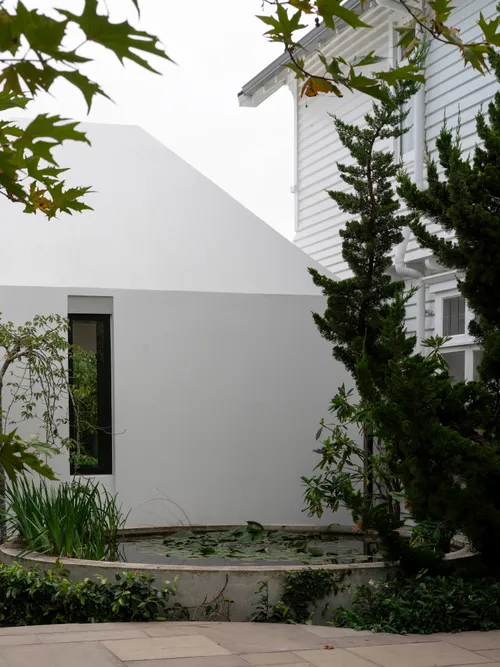
This project explores the retention and reinvention of a well-appointed character villa within an established yet evolving suburban streetscape. The street’s original 1920s villas are increasingly giving way to contemporary homes. As this transition accelerates, the remaining villas take on heightened significance - acting as anchors of memory that contribute to the legibility, balance, and continuity of place.
Externally, the existing house remained highly intact and visually resolved; however, the Canterbury earthquakes of 2010 and 2011 necessitated substantial structural intervention. Rather than treating this as a purely technical exercise, the client embraced the opportunity to reconsider the home’s internal organisation. The ambition was to adapt the villa to contemporary modes of living while working respectfully within the existing envelope, ensuring the spirit and formality of the original architecture were not compromised.
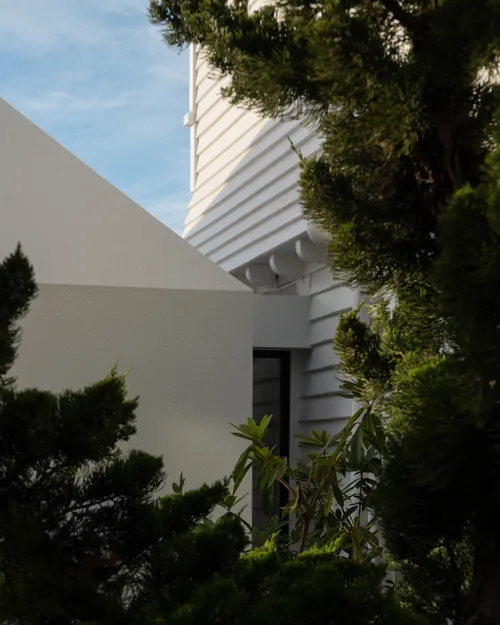
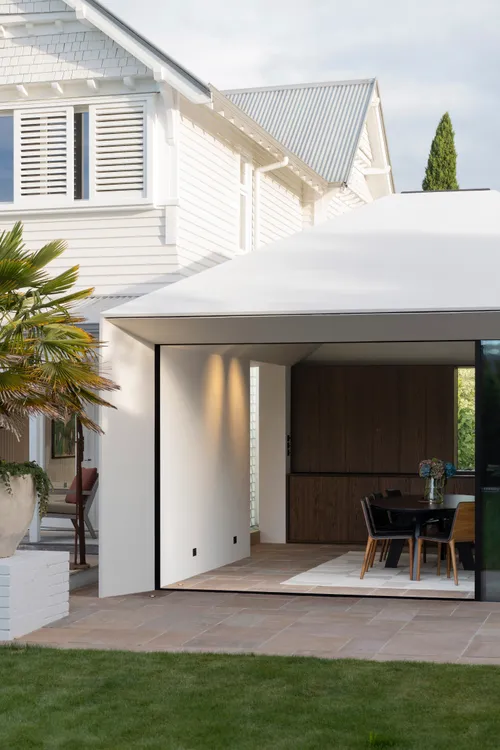
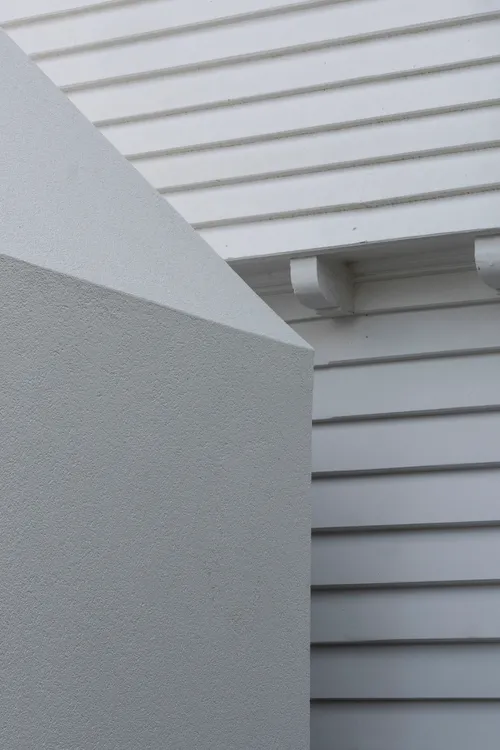
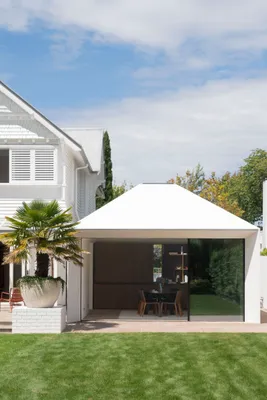
This project shows how a heritage home can be adapted for contemporary living while creating a strong connection between indoors and outdoors through the addition of a pavilion. The pavilion takes cues from the existing house through its white palette and pitched roof form but simplifies the detailing to create a clean and contemporary addition beside the original building.
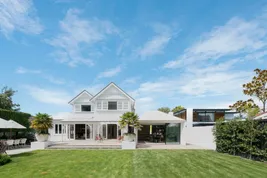
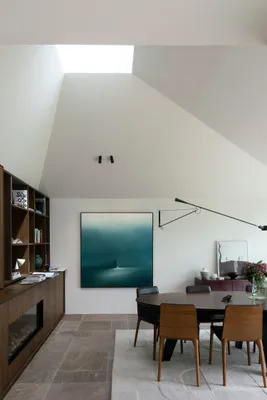
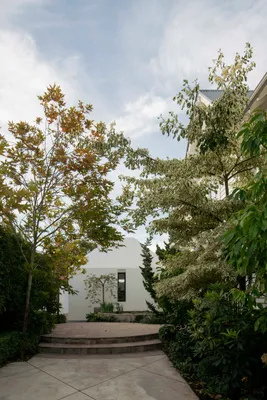
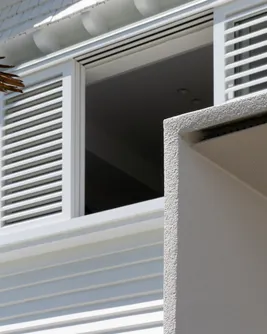
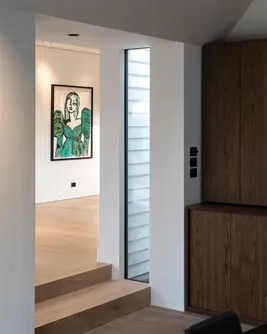
The original plan reflected a series of cellular spaces ill-suited to modern family life. A narrow, enclosed dining room in the north-west corner limited everyday use and undermined the relationship between kitchen and living areas. While a formal lounge existed, the house lacked a generous, connected living space capable of supporting both daily occupation and indoor-outdoor entertaining. Upstairs, infilled verandas and sunrooms had been repurposed as makeshift storage and study areas, resulting in inefficient and unclear spatial hierarchies that belied the composure of the exterior.
The project was approached in two distinct stages. The first focused entirely on the existing villa: strengthening the structure, introducing new bracing, and selectively opening the plan to establish a clearer circulation route and a more flexible living environment. A new kitchen acts as a spatial hinge within the ground floor, while the first-floor bedrooms were rationalised to prioritise access to sunlight, views, and habitable space, with services discreetly consolidated behind.
The second stage introduced a new ‘Garden Room’ to the west, lowered to connect directly with the external terrace. Conceived as a flexible volume, it accommodates both large-scale family gatherings and quieter, everyday retreat. A pyramidal ceiling rises to a central oculus, animating the interior with shifting light and shadow throughout the day.
The result is a home that reconciles heritage and contemporary living: a revitalised interior supported by a playful, legible addition that honours the past while confidently asserting its own identity.