

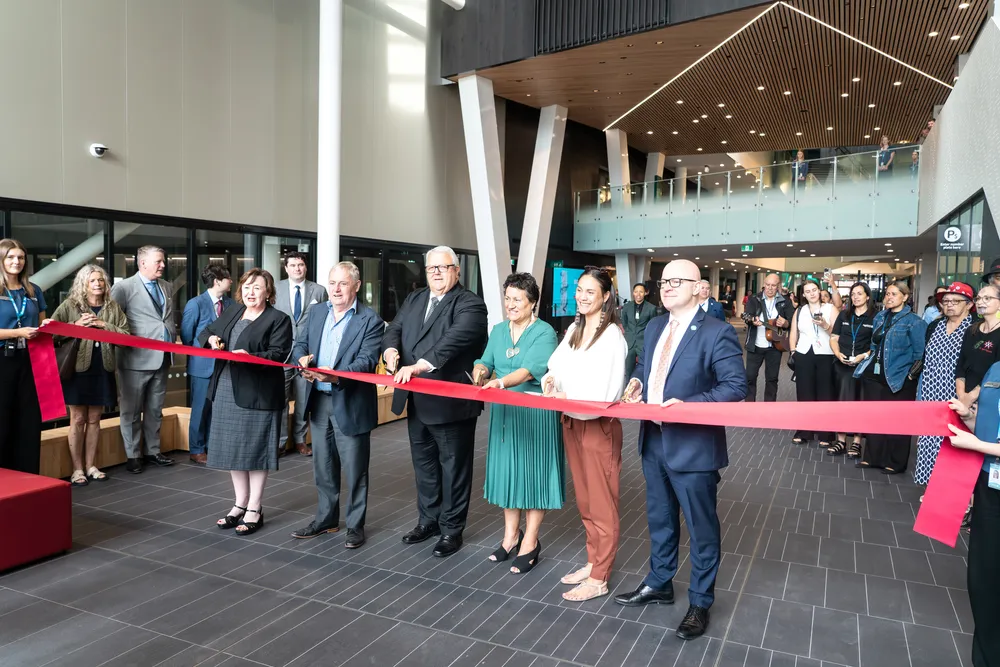
Set to become the largest indoor aquatic, recreation and sport facility in the Southern Hemisphere, Parakiore represents a significant milestone in Ōtautahi Christchurch’s ongoing rebuild.
The formal opening ceremony will take place on Tuesday 9 December 2025, before the facility hosts its first major event, the Special Olympics National Summer Games, from 10 - 14 December. Parakiore will then open to the public on Wednesday 17 December.
Daryl Maguire, Warren and Mahoney’s Sport Architecture Lead, emphasises the building’s purpose of linking leisure, educational, and high-performance sporting communities together under one roof. “From the very start, our focus was on creating a venue that was not only functional, but also inspiring and welcoming for people of all ages and abilities. Well-designed spaces can transform a city, and Parakiore will be a vibrant hub where people can come together, stay active, and connect with one another.”
“It not only is a symbol of unity for the Christchurch community, but firmly puts Aotearoa on the world-stage for sports centres such as these,” adds Daryl.
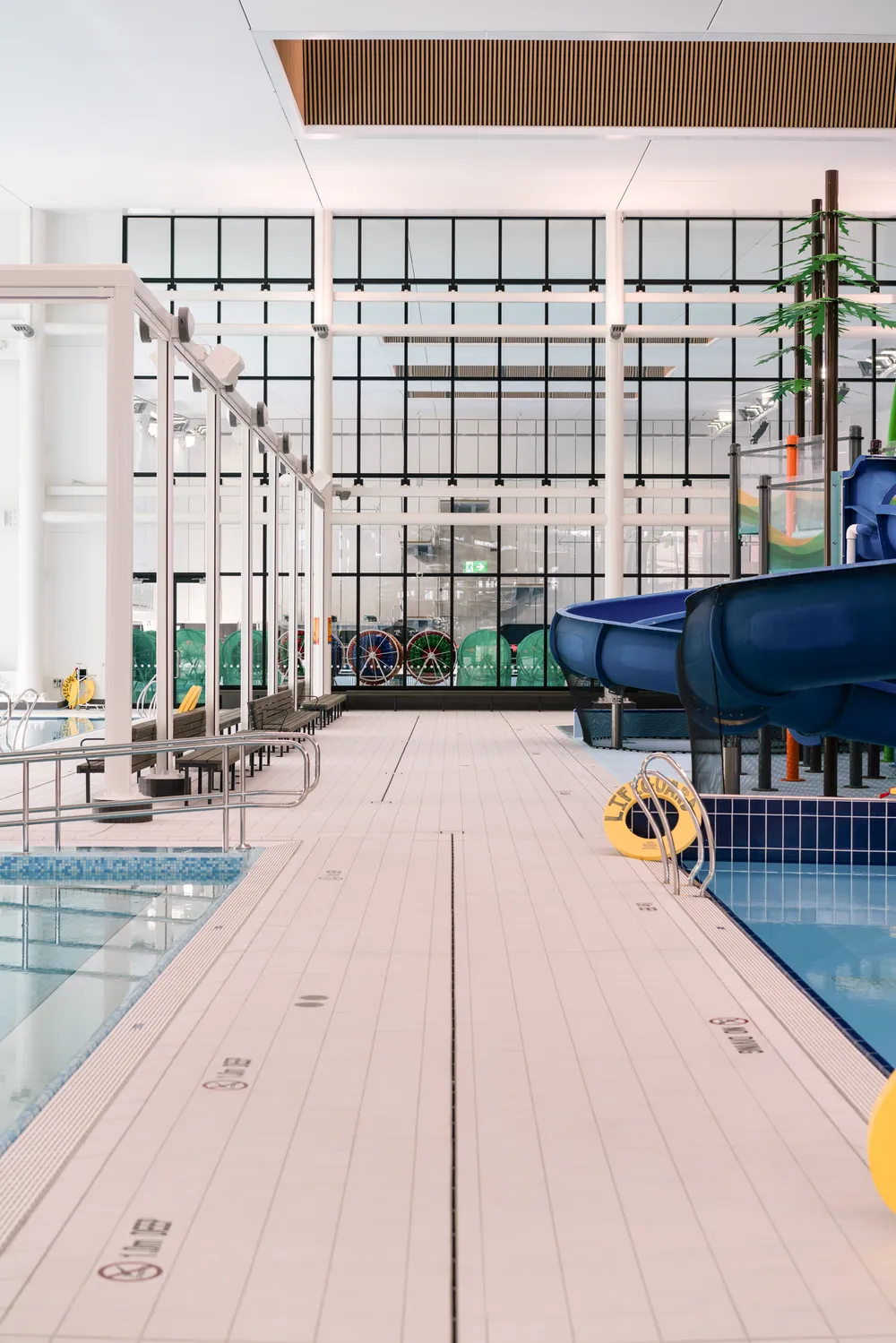
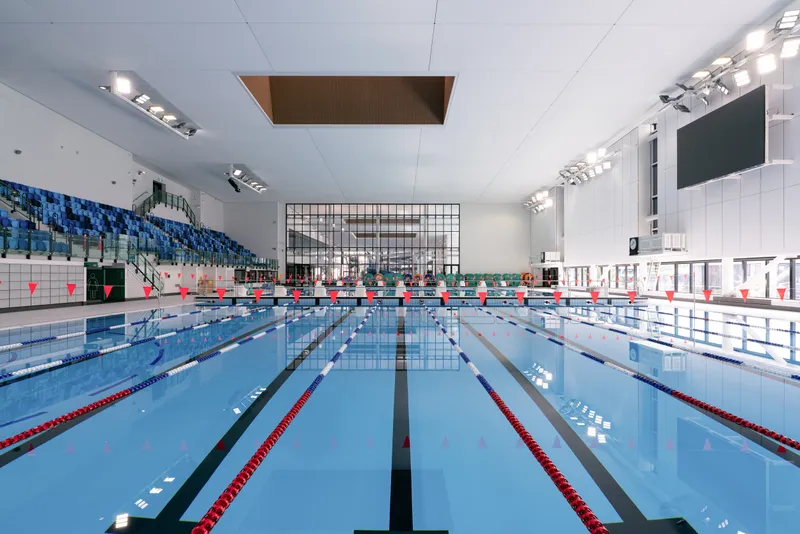
At 32,000 square metres, Parakiore features a 50 metre, 10-lane competition swimming pool, a separate diving pool, a large aquatic leisure area, five hydroslides and a Sensory Aqua Centre designed for inclusive participation. It also features nine indoor courts, including a three‑court Show Court with retractable grandstands for spectators, fitness and movement studios, and a High Performance Sport New Zealand training base, a café and allied health facilities. The complex will be well equipped to host local, national and international events.
The name Parakiore was gifted to the space by local rūnanga Te Ngāi Tūāhuriri. Christchurch City Council Head of Recreation, Sports and Events, Nigel Cox, says the name honours the youngest son of Tūrākautahi, the Ngāi Tahu chief of Kaiapoi Pa. Parakiore was known for his great strength and remarkable speed as a runner, reflecting the physical ability and endurance of traditional Māori existence.
“There are strong synergies between the skills and athleticism of Parakiore and the services that this space will offer,” says Nigel. “The centre will support pathways for high-performance athletes and encourage greater participation in sport and recreation across Canterbury. The qualities of strength, speed and agility are reflected strongly in the name Parakiore, and it also pays homage to an important battle in the history of Ngāi Tahu’s settlement.”
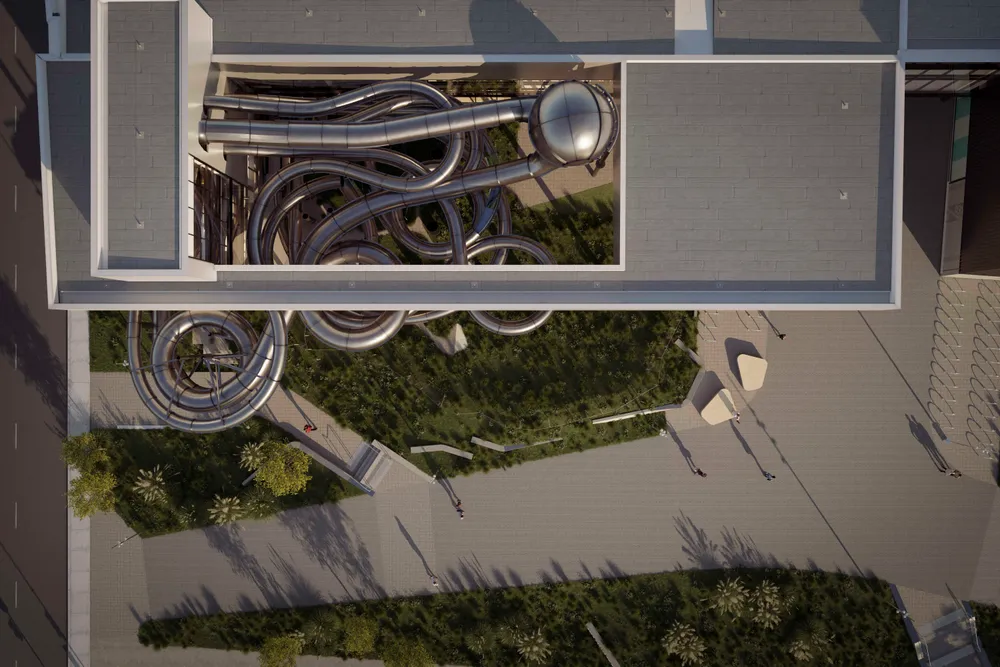
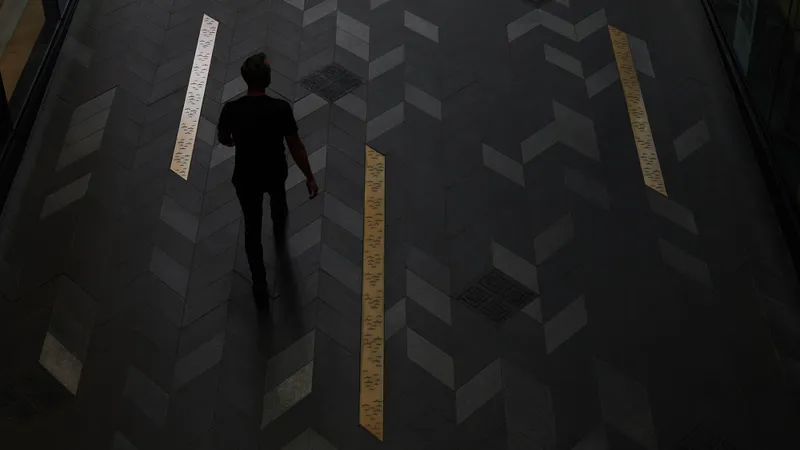
Warren and Mahoney worked closely with our design and construction partners to ensure this kaupapa was embedded in the build, integrating Ngāi Tahu cosmology and the ethic of kaitiakitanga. Divided into two primary zones of wet and dry, Parakiore’s form is linked by a central spine, with each element aligned to Tangaroa (water), Papa-tū-ā-nuku (earth), and Rangi-nui (sky). Other cultural references include hydroslides emulating silver-bellied eels, exterior panels featuring Pātiki (flounder) motifs, and central hub floor tiling reflecting Rangi-nui and the movement of forest pathways.
CPB Contractors Project Manager, Jason Tutty, acknowledges the scale and significance of the build. “With the facility requiring more than 2.9 million construction hours and a workforce of nearly 4,000 people throughout the project, this has been a very rewarding undertaking.
“Designed and constructed to withstand Christchurch’s earthquake and liquefication-prone ground, our team delivered a number of innovative engineering solutions to enable sustainable operations for the high-performance centre. This included New Zealand’s first wastewater heat recovery system, which harnesses renewable energy from the nearby Southern Interceptor wastewater line to meet the aquatic centre’s heating demands.”
Daryl adds “This sets a benchmark for Aotearoa, showing how beautiful, thoughtful design can shape civic spaces that enrich communities across the country. Everyone involved should be incredibly proud of what we’ve achieved.”
Parakiore was built by Crown Infrastructure Delivery and is now owned and operated by Christchurch City Council. Read more about this project here.