
Mass Timber at Scale
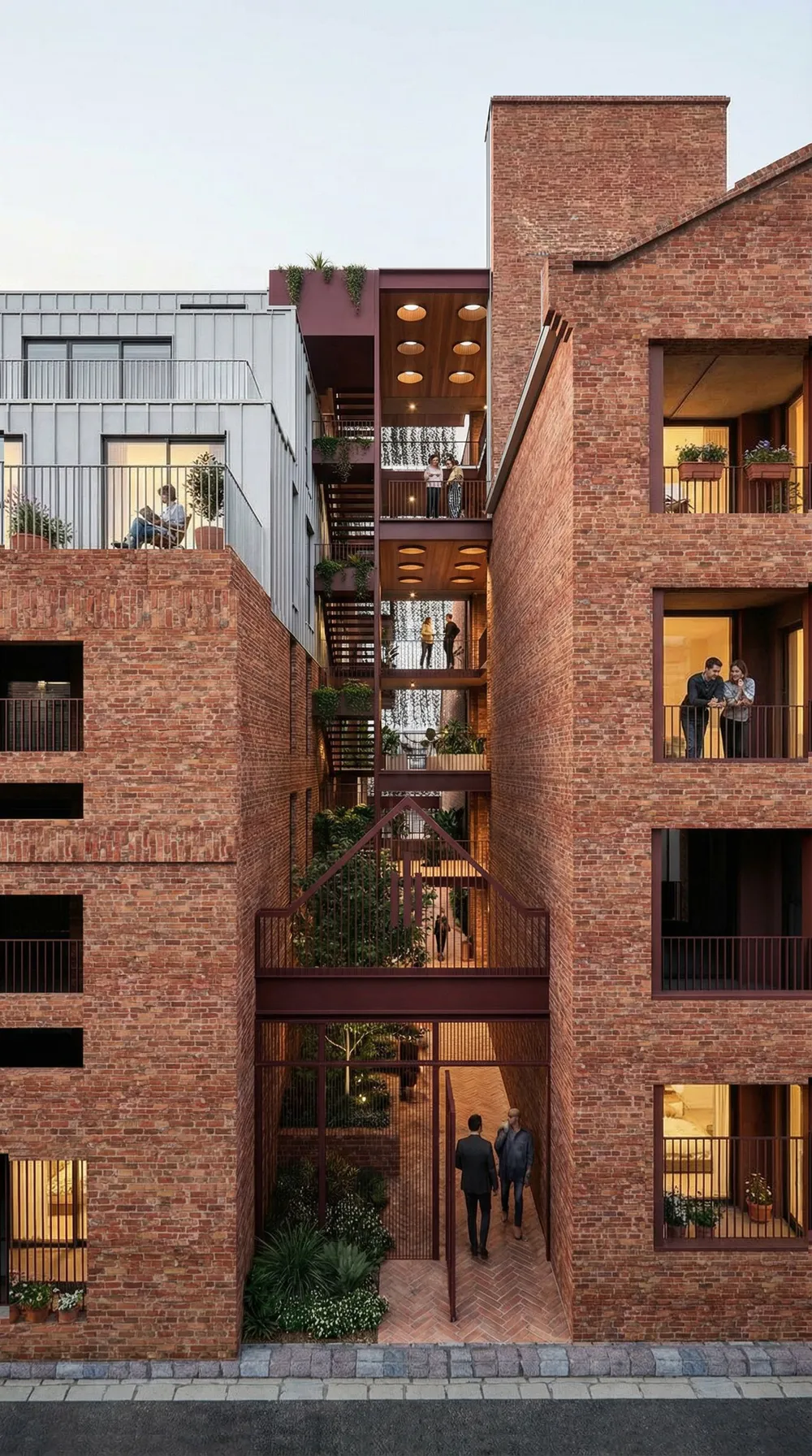
Designed as one of Australia’s largest mass timber residential buildings, the Lithgow Street Development demonstrates how mass timber can be deployed at scale within Build-to-Rent. The structural approach reduces reliance on conventional carbon-intensive construction while supporting greater precision, efficiency and repeatability.
Relevant Materiality
Rather than applying a single construction system by default, the project demonstrates an approach to material selection based on what is most appropriate for the project, place and performance requirements. Here, mass timber provides a low-carbon structural solution that responds to the project’s sustainability ambitions while enabling efficient construction.
Design for Manufacture + Assembly
The mass timber system supports a DfMA-led approach, where components can be digitally coordinated, manufactured with precision and assembled efficiently on site. This shifts more complexity into controlled manufacturing environments, helping reduce site activity, material waste and construction time while improving quality and predictability.
Performance-Led Design
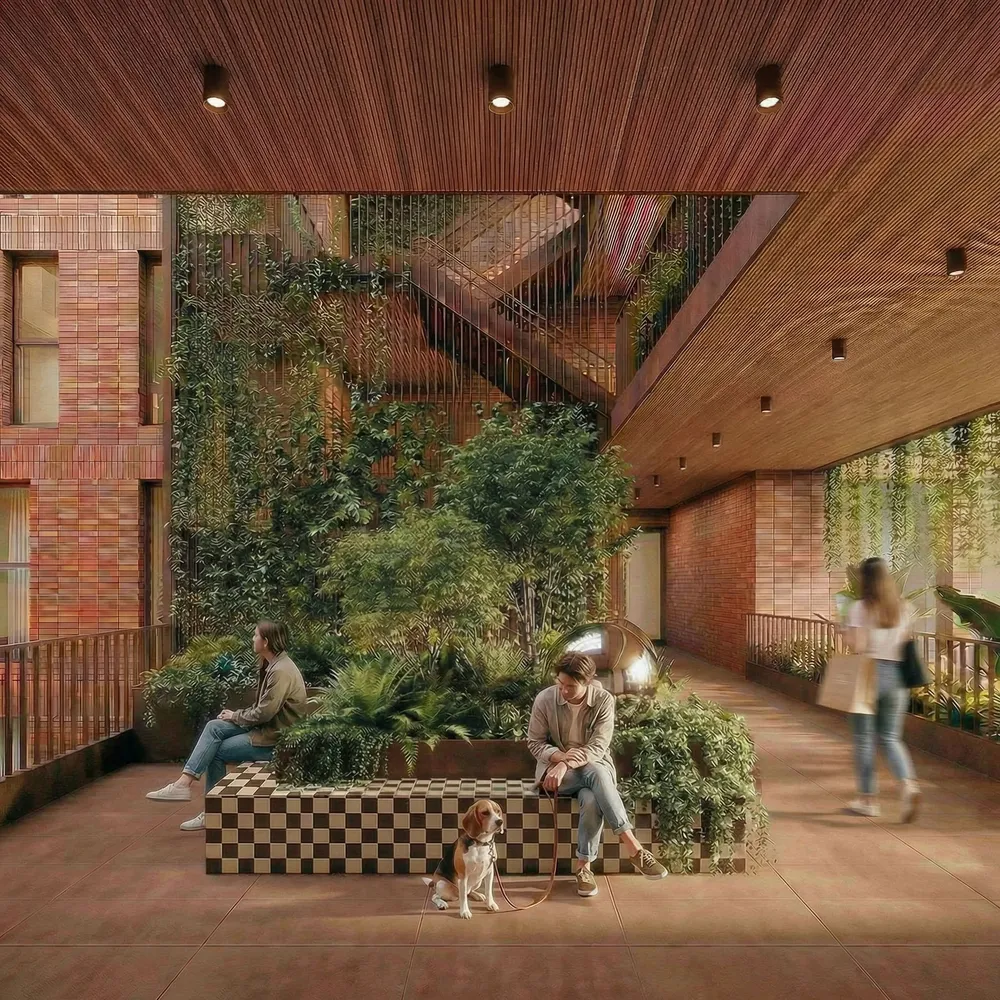
MMC is combined with Passivhaus principles to consider construction methodology and building performance as one integrated system. The 151 apartments target exceptional energy efficiency, thermal comfort and indoor environmental quality, supported by ambitious targets including 6-Star Green Star, 9-Star NatHERS and a 50% reduction in embodied carbon.
Adaptive Reuse + New Construction
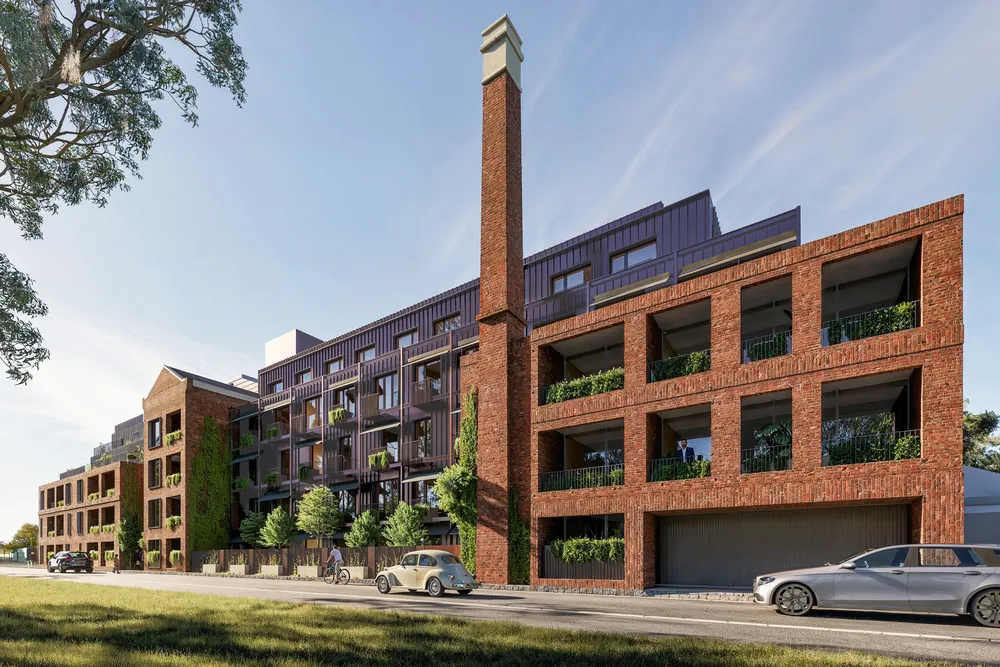
The project combines advanced construction methodologies with the adaptive reuse of the former Schweppes Cordial Factory. Significant 19th-century fabric, the chimney stack and the 1927 Lithgow Street building are retained as defining parts of the new neighbourhood, demonstrating that MMC can work alongside existing buildings rather than requiring a clean-slate approach.
A New Model for Build-to-Rent
Together, mass timber, prefabrication, material intelligence, Passivhaus design and adaptive reuse create a more holistic model for MMC. The project demonstrates how modern construction methods can deliver not simply faster or more efficiently, but with lower embodied carbon, higher environmental performance and a stronger connection to place.