The Second World War left London a shell of the city it once was. Weighed down with a profound sense of collective exhaustion and anxiety, the damage was not just physical and economic, but deeply psychological.
So, the British Government launched a radical vision to create and hold the inaugural Festival of Britain, and within it create the Royal Festival Hall. More than a new concert venue, it was a symbol of post-war optimism and regeneration. It proved that a cultural programme - a broad-based celebration of design and architecture - could shift a nation's sense of self belief.
And then again 50 years later (between 1995 and 2001), catalytic investment in design and culture echoed this same approach, cementing the position of London and the UK again on the global stage.
As New Zealand approaches 2026, it's easy to focus on the challenges that we’ve collectively had to navigate. We’ve hardly weathered a war, however we have worked through five years of volatility and uncertainty. Inflation is creeping back up. Personal and business confidence is just starting to recover, and people feel relieved they have worked through 2023, 2024 and 2025… but only just.
Yet, New Zealand has some tangible reasons for optimism going into the next 12 months we may not be aware of. This isn’t based on wishful thinking, but on the wave of transformative social infrastructure projects that will open throughout New Zealand next year.
We’re about to see a whole “generation” of buildings and spaces open that will enrich the lives of people right across the country.
New Zealand has always believed in the role and importance of public spaces. By reinvigorating these, we’ll reinvigorate our cities and our experiences within them.
Cities at their best are about supporting human life. Gathering together, going for a swim, finding love, attending a wedding, taking time to pray in a sacred space. It’s about simply walking the streets and feeling at ease. You’re there in your own self, in your own place. You’re living a life with others, proud of your city, together.
Next year we’ll see stadiums and event centres of a new scale, waterfronts revitalised, galleries, libraries, museums and more – all open for the public to enjoy.
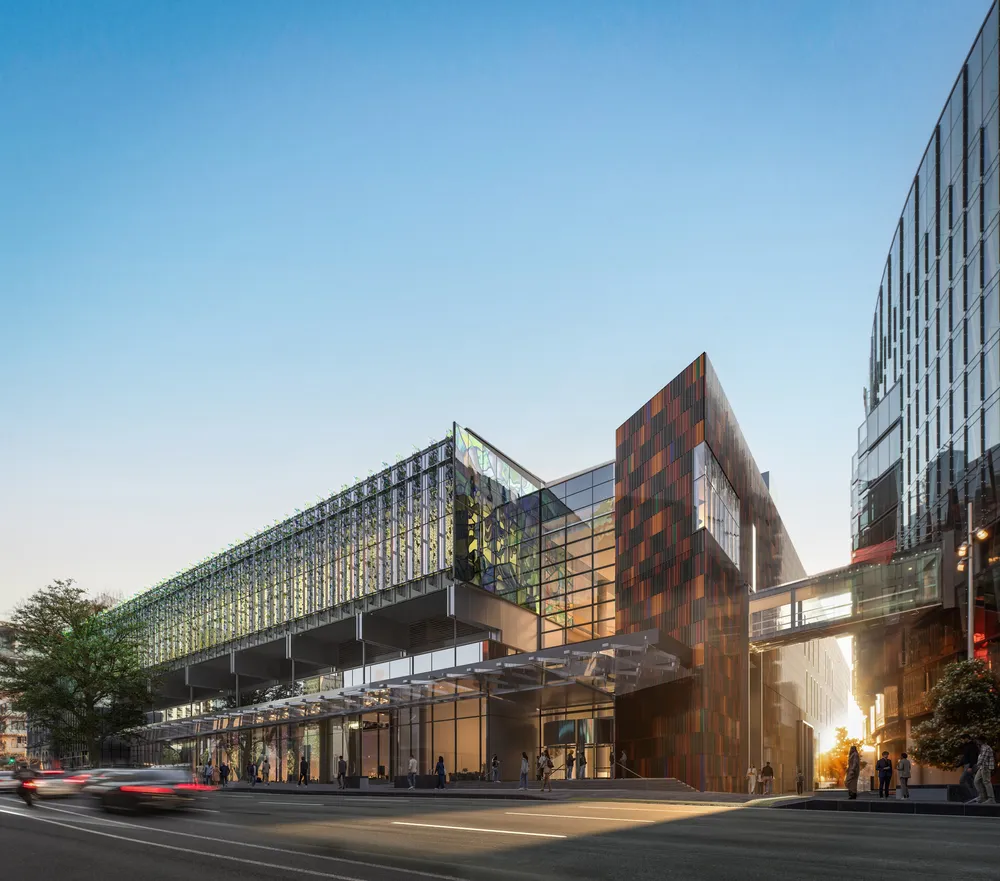
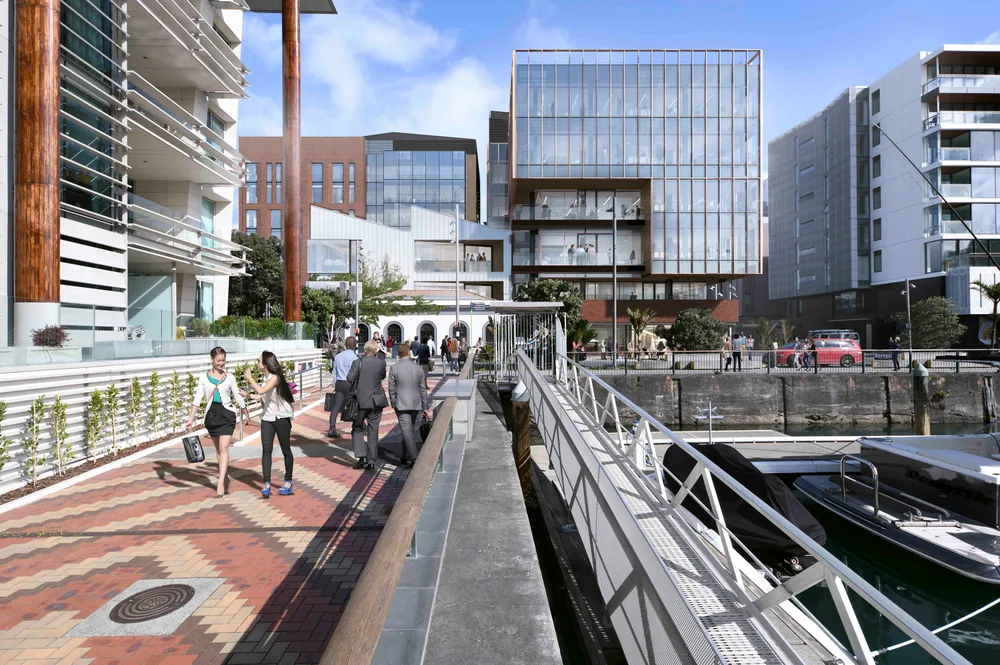
The New Zealand International Convention Centre - a herculean undertaking spanning more than a decade - will open and bring thousands of people each day to the centre of Auckland. The Wynyard Quarter master-plan is almost complete with the unveiling of two further buildings, bringing more Aucklanders into the area for business and play.
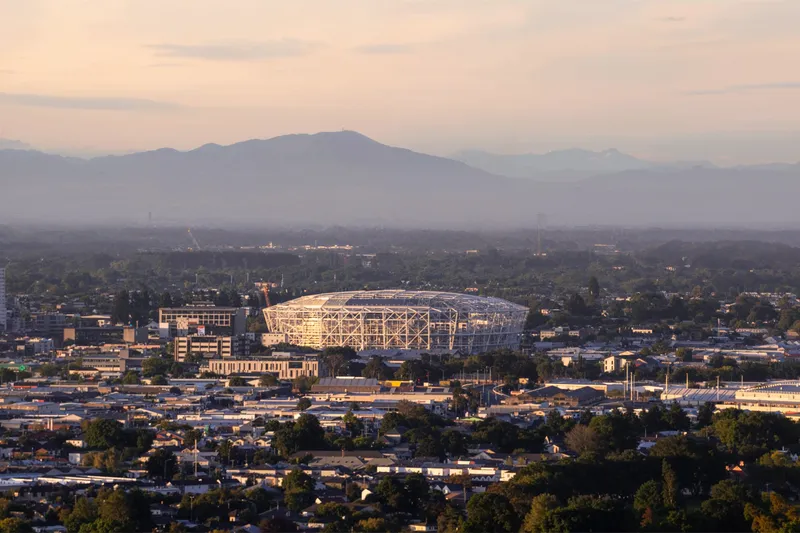
Christchurch’s Parakiore Recreation and Sport Centre is the largest indoor aquatic, recreation and sport facility in the Southern Hemisphere. Te Kaha (Christchurch stadium) opens soon, and hospitals and medical centres are due to keep opening all over the country to support the better health of our communities.
Meanwhile, the long-awaited City Rail Link will better connect all corners of Auckland together as the culmination of decades of vision, risk-taking, investment and tireless effort. With all of the hurdles we’ve been through, these all present an opportunity to come together again.
How we honour our stories
You can judge a society by how it nurtures its stories and culture. In addition to sports and events buildings, New Zealand has a pipeline of cultural infrastructure projects next year that embody this exact kaupapa.
In Hamilton, the Waikato Regional Theatre will soon open, and in Tauranga, Te Manawataki o Te Papa will feature a library, community hub, civic whare and museum. The Tauranga Art Gallery has also been revitalised, completing the city’s hub of storytelling, cultural connection, and community engagement. Tauranga will transform its identity and truly feel like a city with a vibrant cultural core.
The restored Sarjeant Gallery in Whanganui, the new Te Rua Archives New Zealand building in Wellington, and the new Hāwera library in Taranaki will also take us into 2026, showing a commitment to honouring our culture and history. These buildings express our identity, and are designed to acknowledge those in our past as we continue moving forward.
Some may say “Yes, that’s all very nice and symbolic (and has cost moonbeams) but give me a tangible reason things will get better”.
Well, as summarised in the 2026 Construction Outlook, the aftershocks of cost escalation, funding constraints and workforce shortages have forced a hard reset across the construction industry. Meanwhile, the OECD expects GDP to expand by 1.7% in 2026 as lower interest rates feed through, and the total value of construction project commencements is forecast to trend upward between the fourth quarter of 2025 and the third quarter of 2026.
What has emerged is a more deliberate market – one that’s disciplined and intent on rebuilding confidence. Confidence is the commodity in shortest supply. Demand exists and capacity exists, with the key challenge being the cost equation.
It is a reach to claim that a group of builders, designers and architects can solve the world’s issues. But we can’t deny that the experience of living in our cities, and their economic performance, is intrinsically linked to the social and urban life of its inhabitants.
Now, more than ever, we need to overcome the social isolation and anxiety that have permeated society. Being together in a variety of positive ways is also increasingly important. The collective power of these buildings and spaces can be a vital social force and give us something we’ve been severely missing: self-belief.

Picture this: a family in Ōtautahi-Christchurch spends the day with friends at the Parakiore pools, heads into town to eat, and then enjoys a concert at Te Kaha One NZ Stadium. At the end of the night, they can’t help but think, “we love this city, we love our country”.
For a nation that’s allergic to “exuberance”, we have genuine reasons to be optimistic about the place we call home in 2026. We need to be. These projects have taken immense collective commitment, and many have taken on and weathered punishing risks. Unwavering perseverance has been necessary from thousands of people to get across the finishing line.
These projects aren’t just a dream. We’re relying on this work to make a difference, and I believe it will.