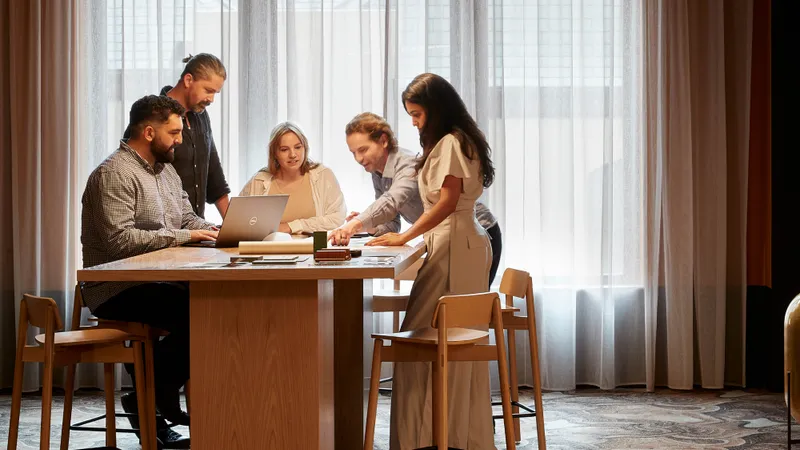
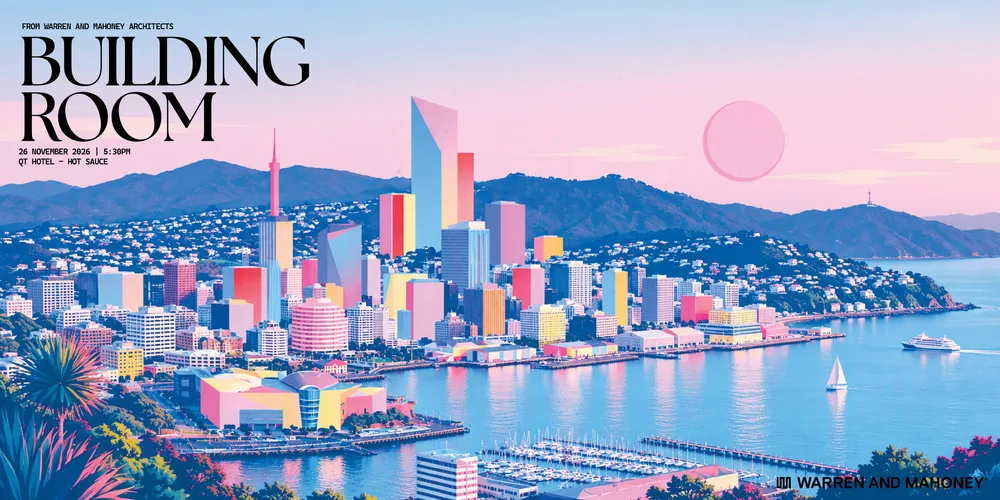
This idea was at the heart of a recent event we hosted in collaboration with some of Wellington’s city-makers and city-shapers, bringing together people with a shared optimism for the future of Wellington and the opportunities to shape it.
At its core was an invitation to think differently about the city. Not as a finished vision or a fixed destination, but as something continually being made - with room for new ideas, different perspectives and collective ambition.
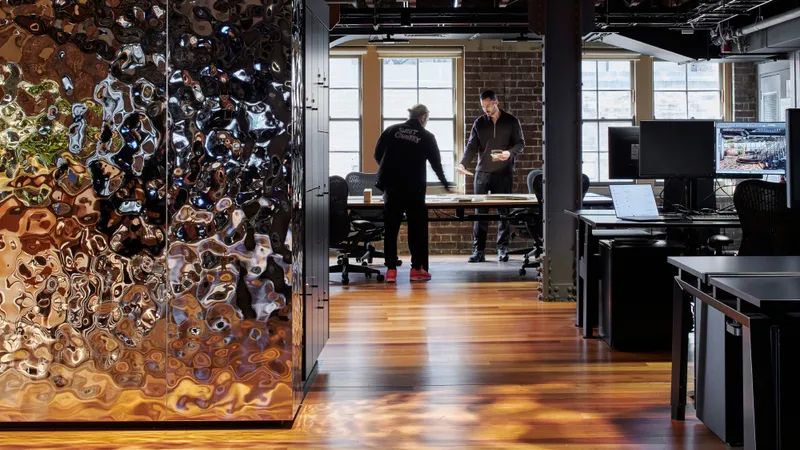
Our Wellington studio has turned these questions into ideas. A physical model, moving imagery, and a collection of ideas about Wellington as it is, as it has been and as it might become.
The point was not to present one grand vision for the city.
Instead, we wanted to open up the room. To look at our city through the contributions of many people, across many projects and over many years.
Streets, buildings and landscapes may provide the physical setting, but it is people, ideas, culture and everyday life that truly build a city.
More than one conversation, or one evening, Building Room is the result of many conversations, and an invitation for more to come. We welcome you to be part of it.
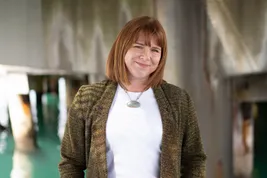
Simon Hardy
Wellington Studio Principal
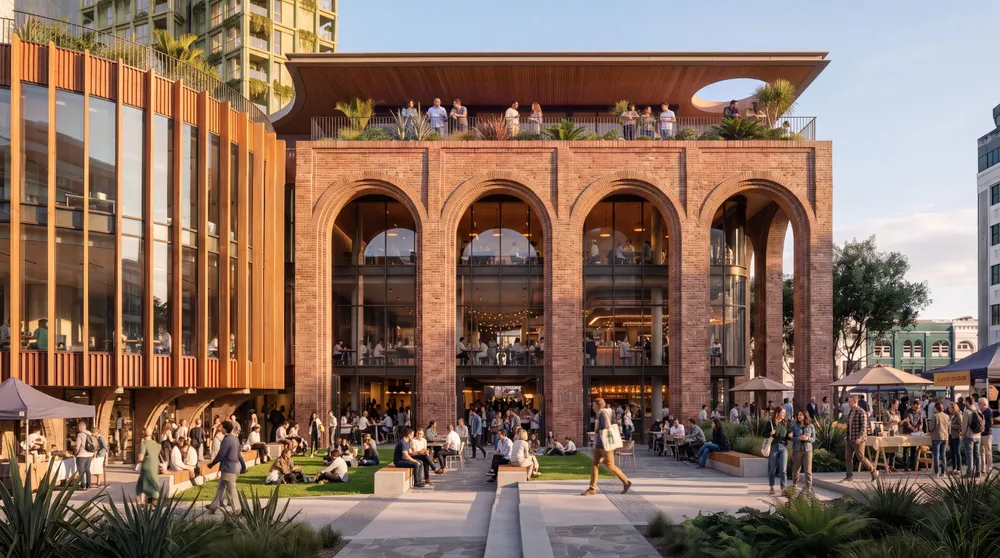
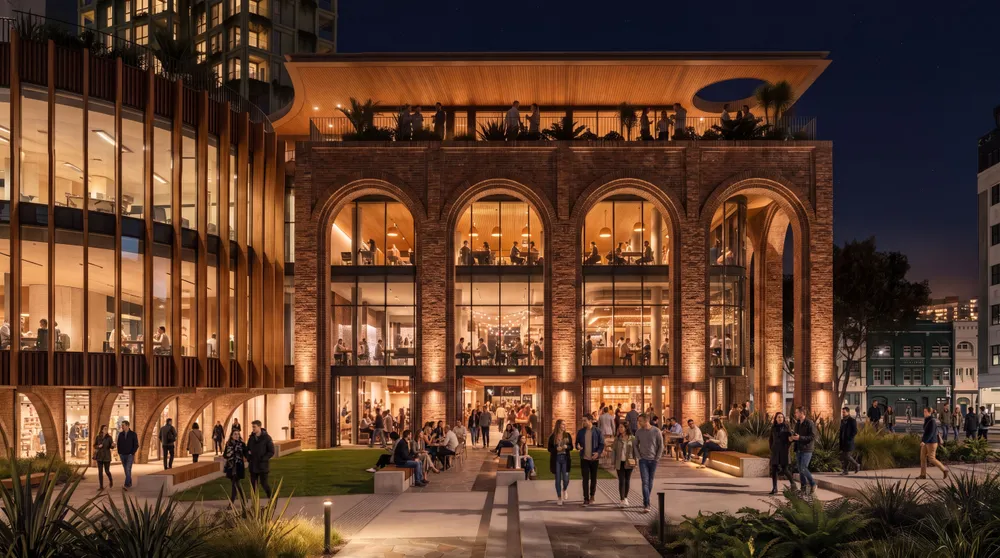
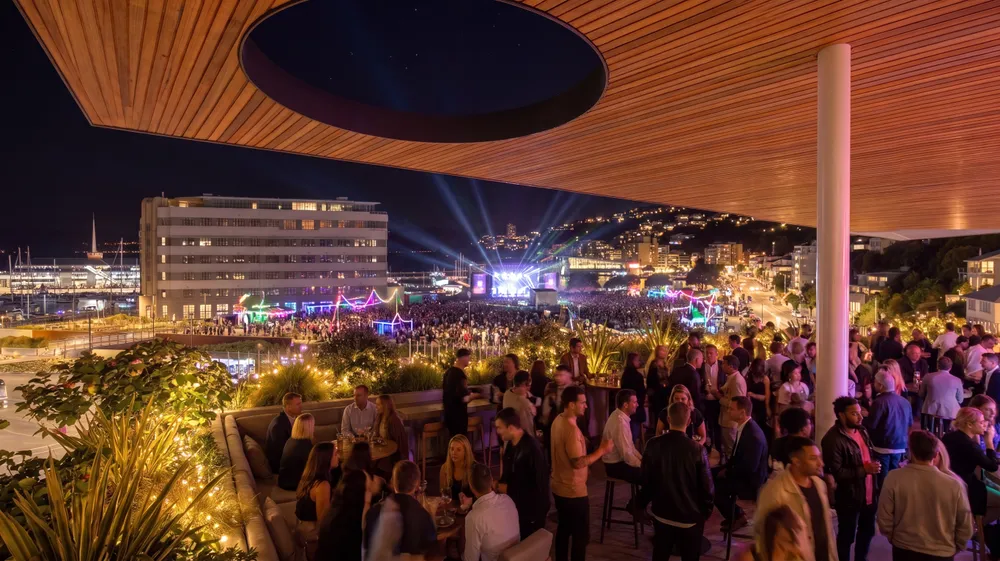
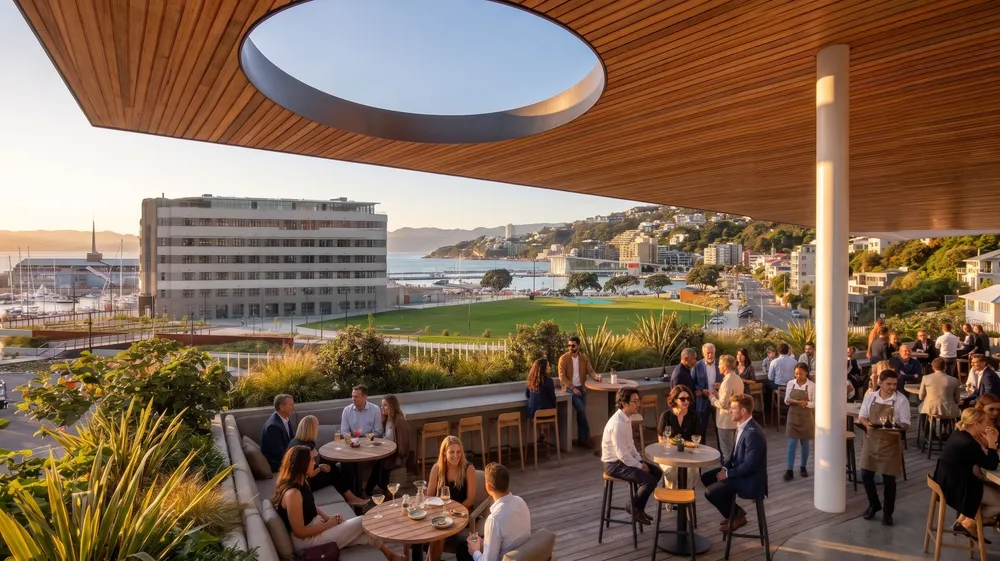
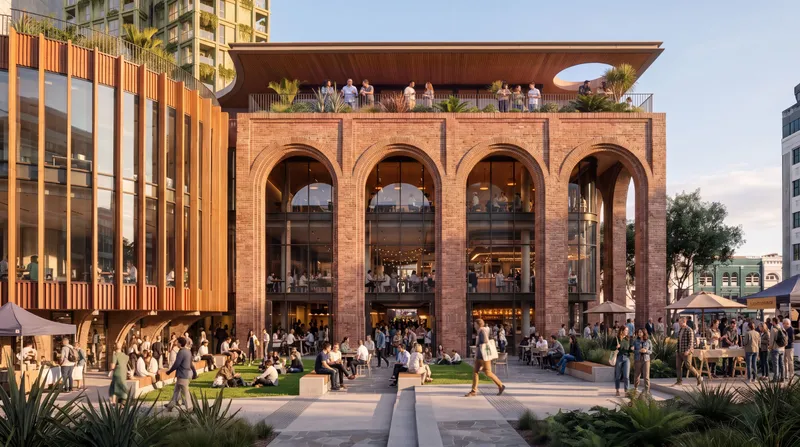
Civic buildings become places to meet, gather, celebrate and participate in city life. Collectively, they help shape how Wellington feels and functions.
By mapping projects across the city, the exhibition begins to reveal those layers and our contribution to them, while asking what the next layer of Wellington might look like.
Our guests were invited to place a dot on an area of Wellington they’ve contributed to - somewhere they’ve helped build room in our city.
As the evening unfolded, the dots start to tell their own story - revealing the collective reach, experience and influence of those who have contributed to shaping Wellington.
More than a record of past contributions, they offered a glimpse of the collective potential to continue building room for the city’s future.
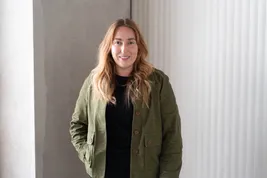
Emelia Atkins
Associate - Architect
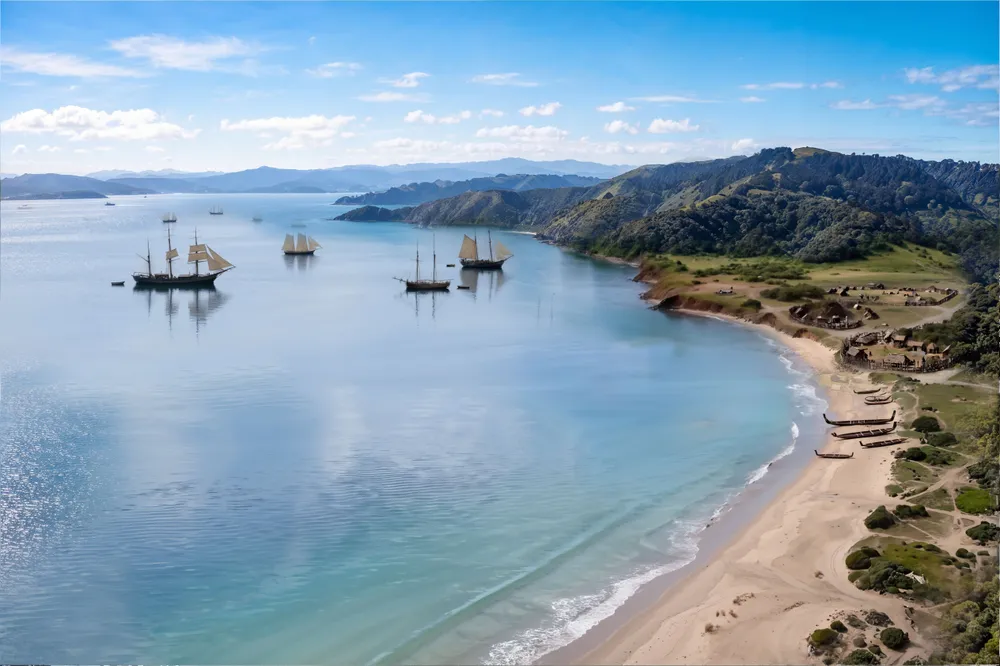
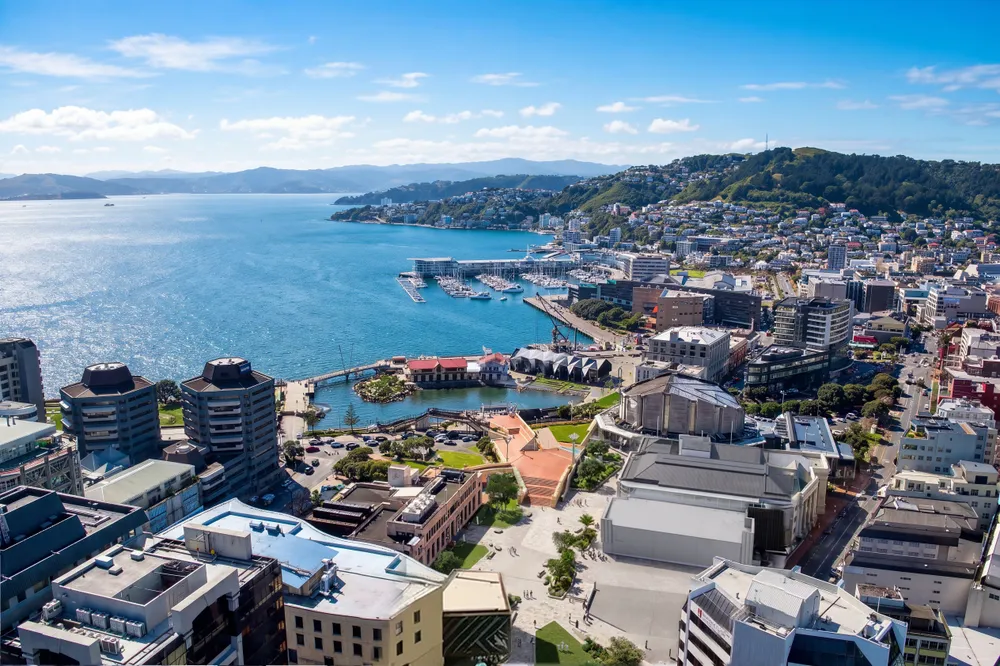
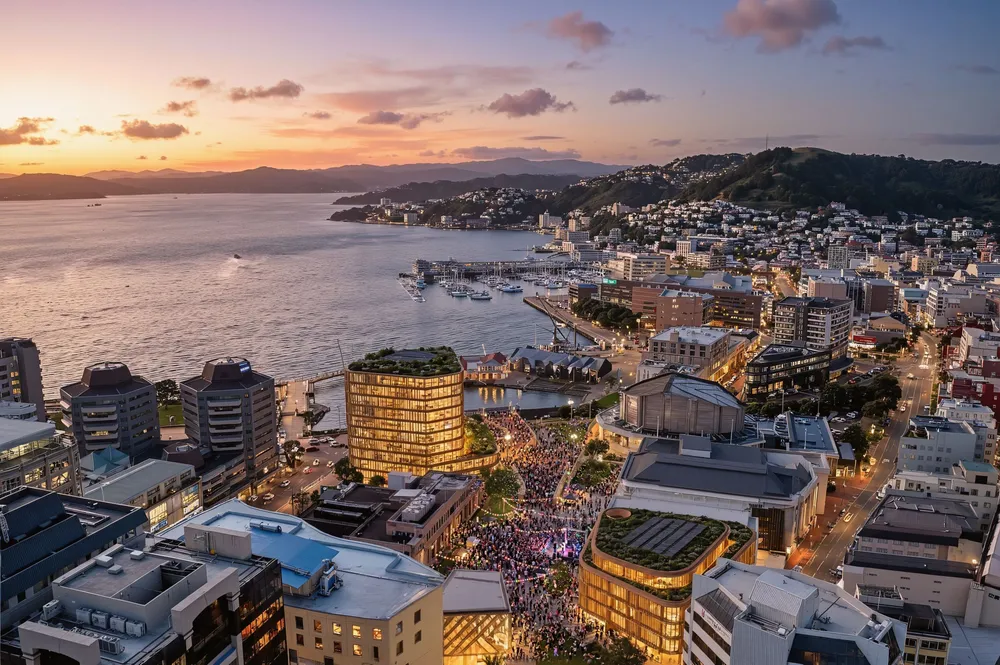
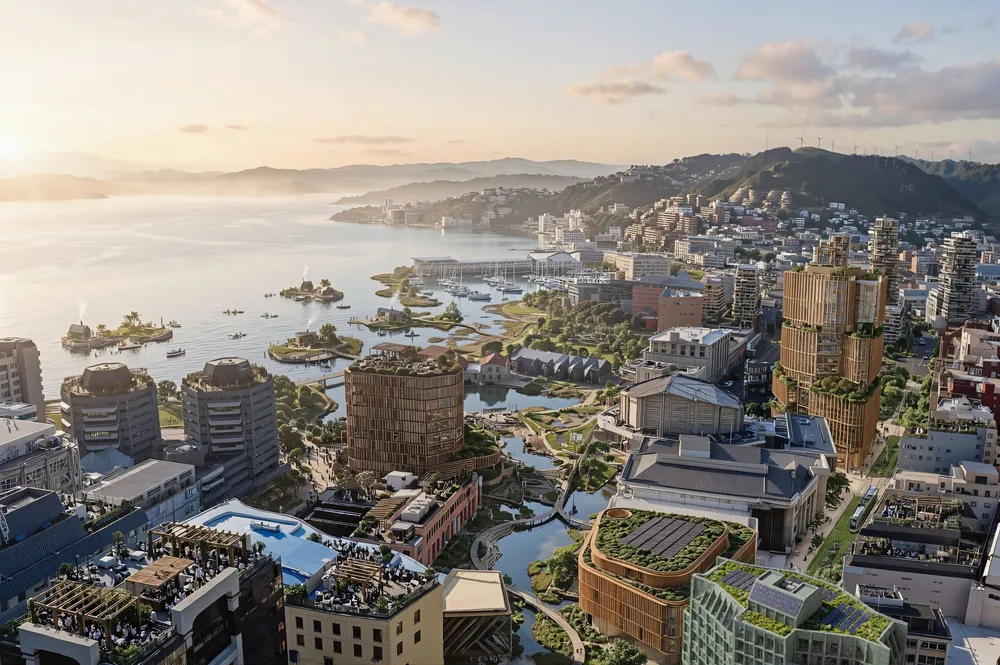
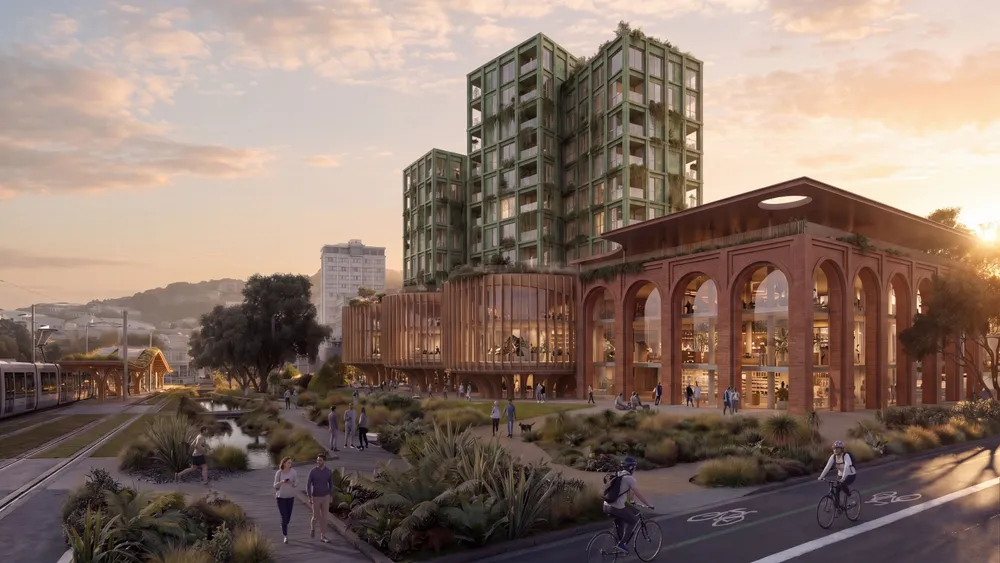
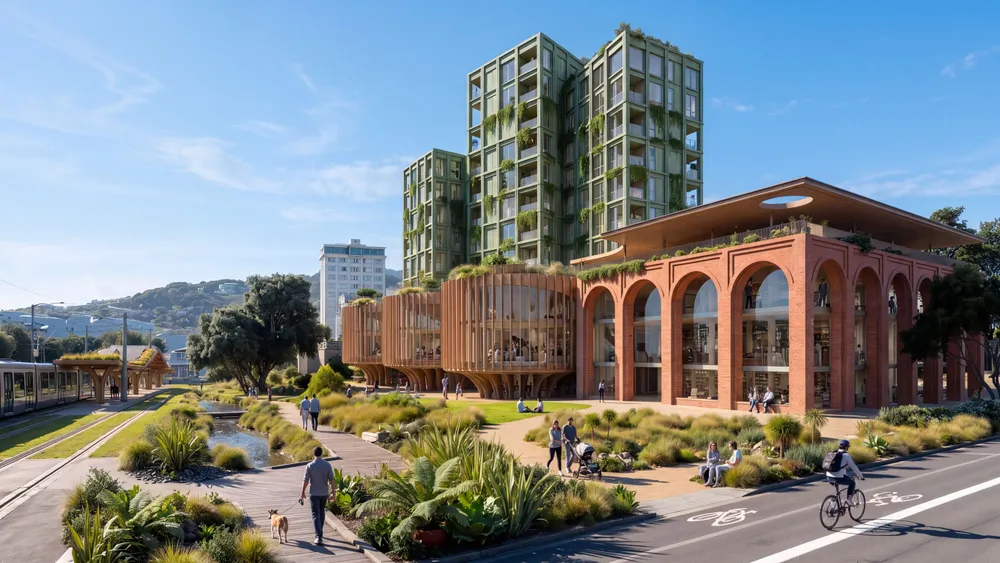
Wellington has always been a city shaped by its harbour. From the arrival of the first ships and the gradual reclamation of the waterfront, to the growth of its streets, buildings and communities, the city has continually evolved alongside the water. But what might the next chapter look like?
This timelapse traces Wellington's transformation from 1840 through to an imagined 2100, exploring how we might build on our history to create a greener, more connected and more vibrant waterfront for generations to come.
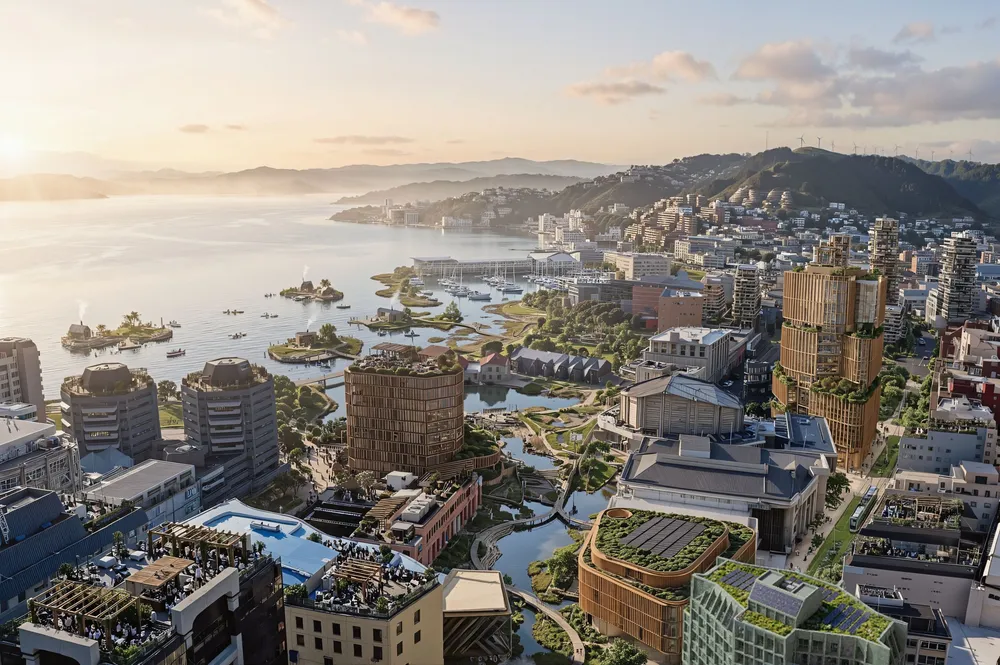
But ultimately, what we’re shaping are experiences – the settings where people meet friends, celebrate milestones, participate in civic life, express culture, learn, work, protest, perform and simply belong. It's what truly defines a city: not just its landmarks, skylines and major projects, but its rooms - the places that bring people together, create connections and give communities a sense of belonging.
As Wellington continues to evolve, we’re asking what we want our civic spaces to offer future generations. How can they reflect our identity and aspirations, while remaining welcoming, resilient, inclusive and adaptable? And what role can they play in creating a vibrant, connected urban life?
Exploring these questions requires a collective conversation about the kind of city we want to create. We look forward to continuing the conversation together.
Sophie Jacques
Associate Principal – Senior Landscape Architect