For Warren and Mahoney, an architectural practice woven into the fabric of Canterbury since the 1950s, this city has always been more than a place of work. When the earthquakes struck, we were not just observers; we were part of the collective effort to understand what it would take to recover and restore confidence and belonging.
For us, and for many Cantabrians, we believed finishing the rebuild would be the finish line — the moment when life might return to “normal”. The truth is much more hopeful: there is no true end at all. We are moving into the beginning of Christchurch’s next era.
Before 2010, Christchurch risked becoming a place that felt paused. If the rebuild was about recovery, our next era must be about ambition, and there are valuable lessons we have learned on the way.
A city is powered by the collective energy, diversity and contribution of its people. The future of Ōtautahi relies on attracting young people and nurturing the energy, imagination and momentum they bring.
We saw after the earthquakes what happens when people are invited to imagine the city together. The “Share an Idea” movement proved that large-scale public participation could create real momentum. Today, we need that same collaborative spark — not for rebuilding, but for reimagining.
The Blueprint created in the weeks after the earthquakes offered the certainty the city needed to rebuild. A vision is crucial. From planning rules that endure to procurement that rewards whole-of-life value, a collective vision tells residents, local businesses and long-view investors that Christchurch knows its mind and its future.
Today, as artificial intelligence accelerates, the value of physical urban experience becomes even more profound. In a world where so much can be automated, predicted or digitised, true human connection is irreplaceable. The cities that thrive will double down on what makes them human: culture, community and creativity. Christchurch is well positioned. Our scale allows us to experiment, our geography gives us purpose, our history gives us skill.
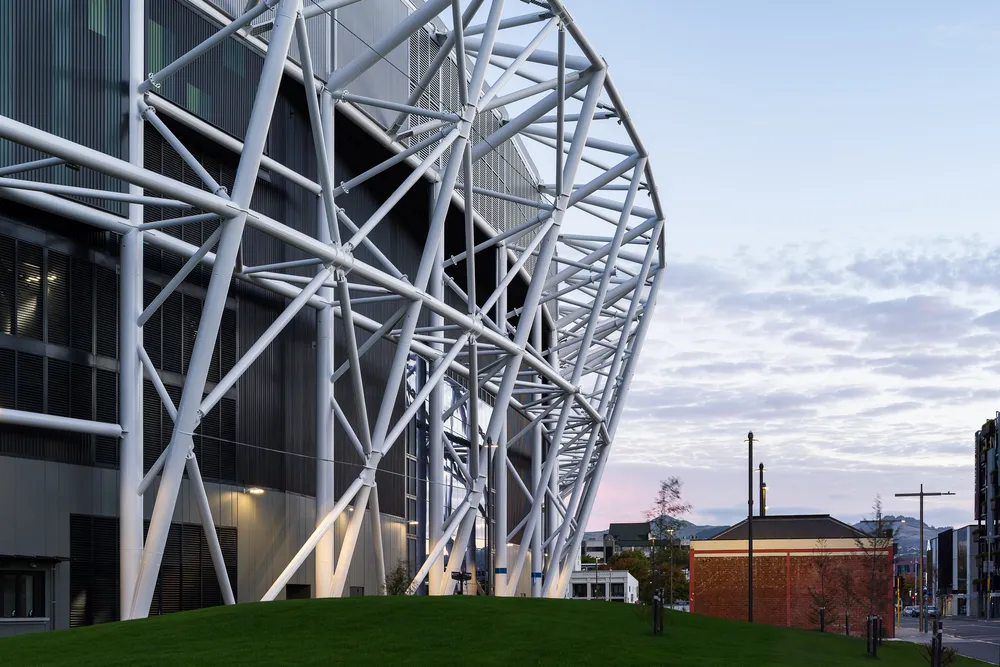
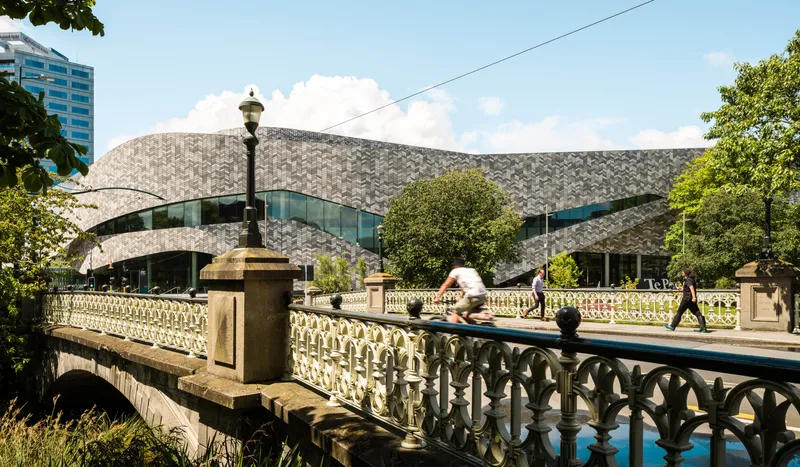
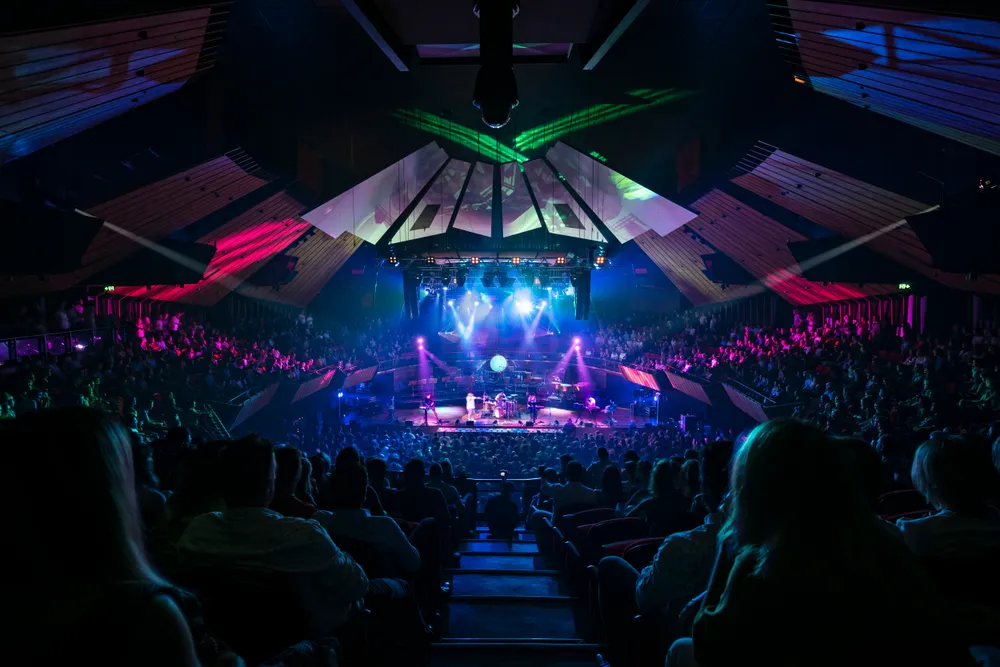
We are nearing the completion of major anchor projects, with Te Kaha One NZ Stadium soon joining Parakiore Recreation and Sports Centre, Tūranga Library, Te Pae Convention Centre and others. These public assets create an extraordinary foundation for the city’s next chapter — but they also highlight the importance of the city that lies between them. Across our neighbourhoods, key sites still sit open and full of potential, waiting for development that completes our urban fabric.
Large civic investments alone will not create a vibrant, future-ready Christchurch. The last decade was about anchoring the city; the next must be about bringing that finer grain: stitching the spaces in between with buildings and creating spaces that serve our people.
If we want Christchurch to prosper, we must continue to have the courage to invest. This next era calls for buildings that act less like fixed assets and more like platforms: places that can be reprogrammed, reconfigured and reinvented as industries emerge and technologies evolve at an ever-faster pace.
We need to plan for a city that will serve the generations who will live with these choices long after we’re gone. Designing for quality and endurance is essential because the decisions we make today will shape how well the city works for decades. Their energy, urgency and ideas should be shaping what comes next.
To keep talent here, Christchurch must offer real housing choice in the centre, transport that moves people easily, and places where creativity, work and community life can thrive. These are not “nice to haves”, they are the building blocks of a dynamic urban economy.
Our environmental responsibilities are not abstract. Ōtautahi has a unique opportunity to demonstrate what urban climate leadership looks like in Aotearoa. A carbon zero ambition should not be a slogan; it should be the design brief. The former red zone provides a rare chance to create a large-scale carbon sink, an ecological restoration area and a public recreation asset within the city boundary. Few cities in the world have that opportunity.